Dry skin and dehydrated skin are two different skin issues that require specific care. The former is often due to a lack of sebum, while the latter is caused by a lack of water. Both skin types can exhibit signs of tightness, flaking, or even itching. It is therefore essential to know how to distinguish between the two in order to adopt the appropriate care. Discover how to restore your skin's balance, whether it is dry or dehydrated.
Understanding dry and dehydrated skin
Dry and dehydrated skin are two distinct skin conditions, each with its own needs. Dry skin is generally due to a lack of lipids, which makes it more sensitive to external aggressors. Conversely, dehydrated skin lacks water, affecting the skin's suppleness and radiance.
To maintain healthy skin, it is crucial to understand these differences. An adapted skincare routine is necessary for each type:
- For dry skin, opt for products rich in oils to nourish and strengthen the skin barrier.
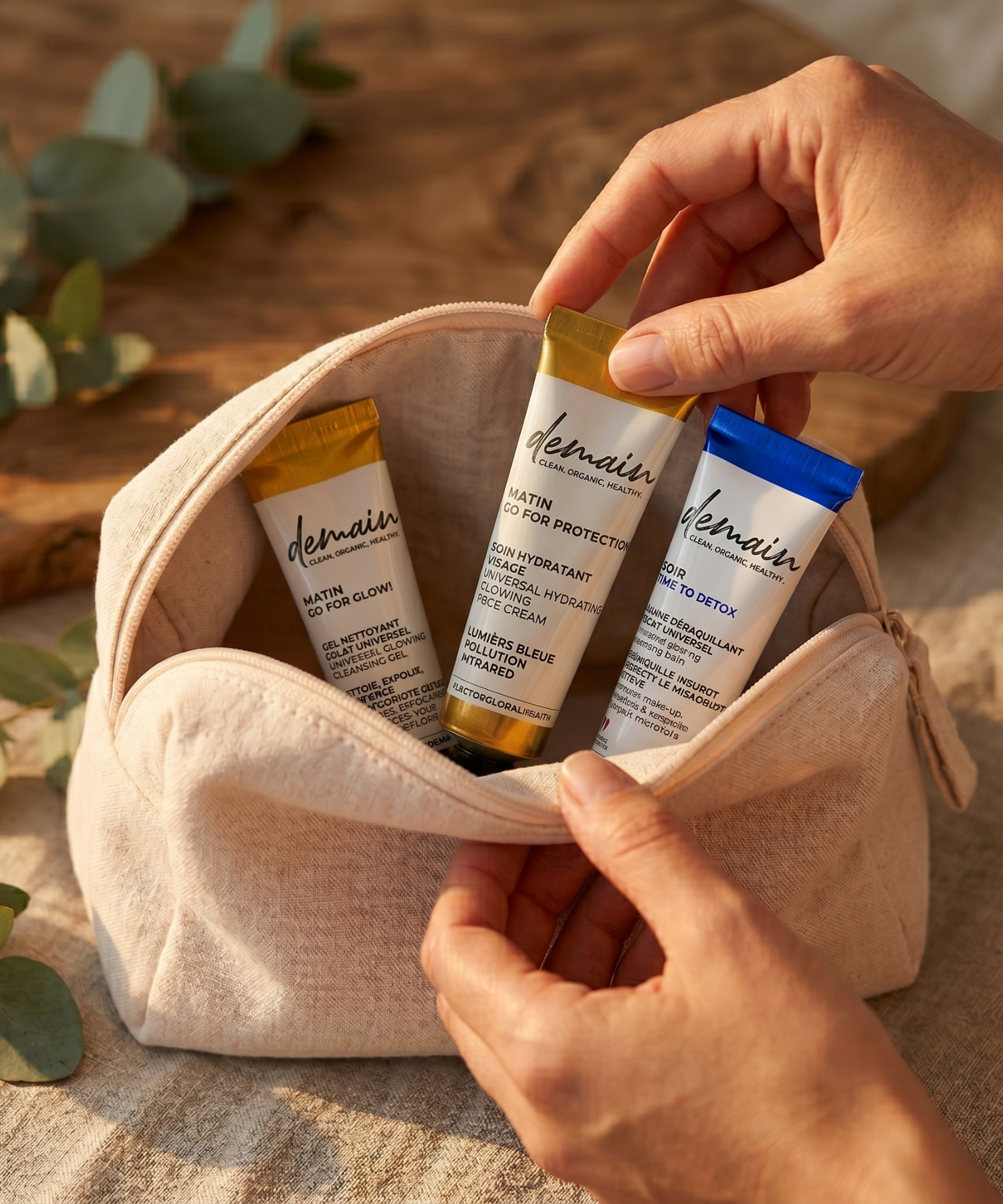
- For dehydrated skin, prioritize skincare containing hydrating agents like hyaluronic acid to restore moisture. For this, there is nothing better than the Time To Repair regenerating night care. Enriched with hyaluronic acid, this treatment will be your ally for radiant, more hydrated, and firmer skin.
External factors like climate or heating can exacerbate these conditions. In winter, it is particularly important to adjust your routine to protect your skin from aggressions.
The causes of dry and dehydrated skin
The causes of dry and dehydrated skin are multiple. Dry skin often results from insufficient sebum production, which weakens the skin's protective barrier. This can be due to genetic factors or environmental factors like cold weather. Symptoms include tightness and flaking.
In contrast, dehydrated skin lacks water and not lipids. This problem is often temporary and can affect all skin types, even the oiliest. The causes vary, including stress, poor diet, or the use of unsuitable cosmetics.
To alleviate these discomforts, it is essential to adapt your skincare routine. For example, prioritize products rich in hydrating agents to make up for the lack of water and restore the skin's hydrolipidic film.
How to tell the difference between dry and dehydrated skin?
Signs of dry skin
Dry skin often exhibits distinct characteristics that make it easy to recognize. It is generally rough to the touch and may show flakes, which are visible signs of its lack of lipids. In winter, these symptoms worsen as the cold aggravates the situation.
Among the signs to watch for, note a persistent feeling of tightness, especially after washing. The skin may also appear dull and lack radiance. Pores are often tight, and the skin texture seems finer. In some cases, redness may appear, testifying to a certain fragility.
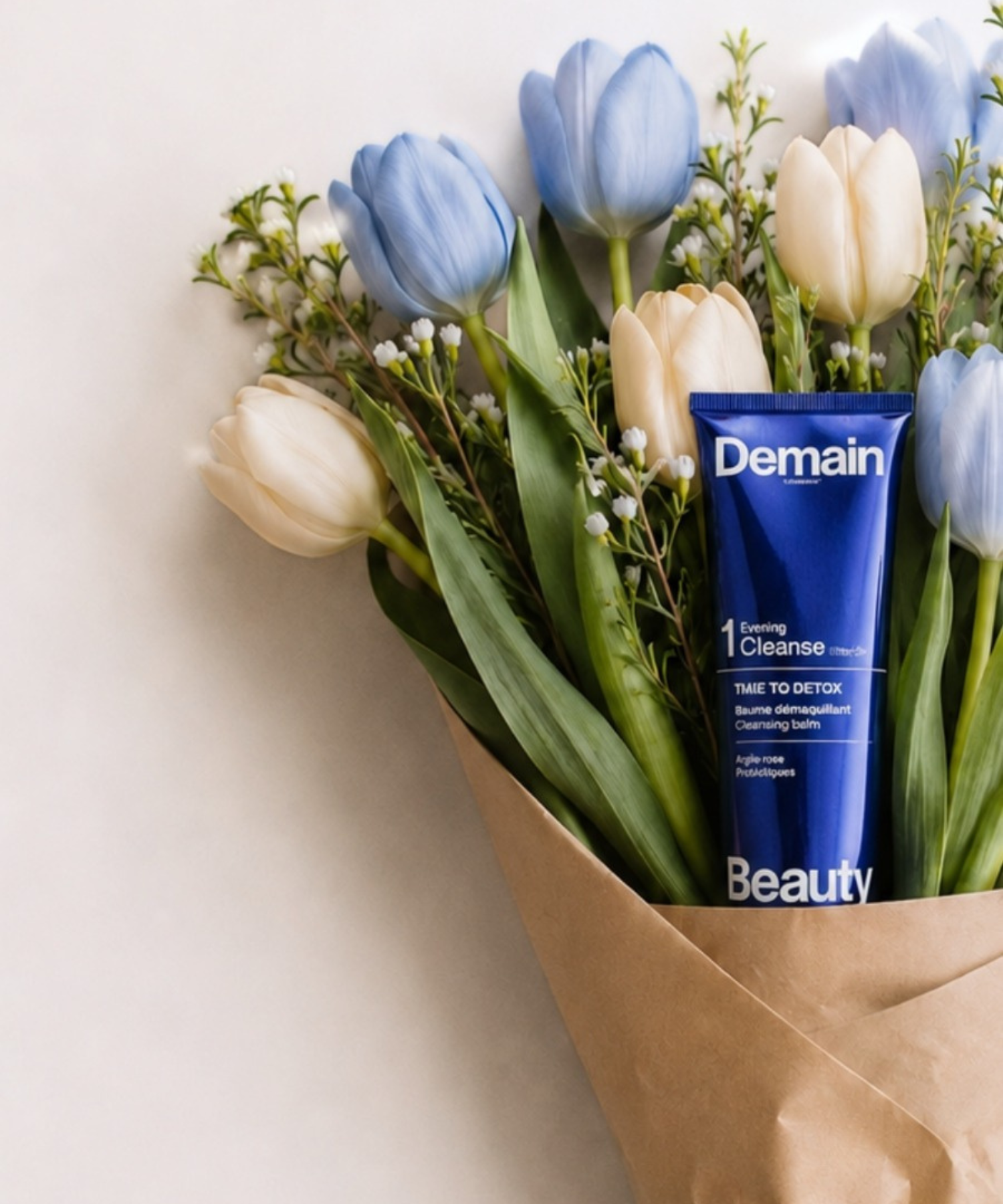
To help soothe these discomforts, incorporate products rich in nourishing ingredients like shea butter or vegetable oils into your routine. Choosing adapted skincare helps strengthen the skin barrier and prevent external aggressions. Remove your makeup with the Time To Detox balm, rich in shea butter, moringa oil, and aloe vera.
Signs of dehydrated skin
Dehydrated skin shows various distinctive signs that are essential to recognize. Often, it lacks suppleness and brightness, resulting in a dull appearance. Feelings of discomfort, such as tightness, are frequent, especially after cleansing. The skin may also show fine lines, mainly around the eyes and lips.
This condition can affect any skin type, including oily skin, because it is due to a lack of water rather than an absence of lipids. You might also observe redness, or even flakes, especially in winter.
To help dehydrated skin, it is wise to use skincare containing natural ingredients like hyaluronic acid. This helps to restore hydration and improve skin texture.
How do I know if I have dry skin?
The test to tell the difference between dry and dehydrated skin
To determine if your skin is dry or dehydrated, a quick test can shed some light. Gently pinch the skin on your cheek and observe its reaction. If it wrinkles and small fine lines appear, your skin might be dehydrated, lacking water. Conversely, if the skin remains taut without visible wrinkles, it is likely dry, suffering from a lack of lipids.
Here are some tips to better understand your skin type:
- Dry skin: often rough to the touch and prone to flaking, it requires products rich in nourishing oils to restore the skin barrier.
- Dehydrated skin: shows dehydration lines and a dull complexion; it needs hydrating products containing ingredients like hyaluronic acid to restore radiance and suppleness.
Adapting skincare to these specific needs helps to restore healthy and balanced skin.
Facial care for dry and dehydrated skin
Dehydrated skin: which cream?
To properly hydrate your face, it is essential to choose products adapted to your specific needs. Start by using a gentle cleanser to avoid irritating the skin. After cleansing, apply a hydrating serum rich in hyaluronic acid to replenish lost water.
Next, opt for a moisturizer with a rich texture if your skin is dry, or a lighter formula if it is combination or oily. Check the composition for ingredients like ceramides or vegetable oils that restore the hydrolipidic film.
Don't forget to protect your skin from the sun with a daily sunscreen. Finally, once a week, pamper your skin with a hydrating mask for an extra boost of radiance. These simple gestures help maintain supple and radiant skin.
The ideal face cream
To choose the ideal cream for your face, it is crucial to take into account the specific needs of your skin. If you have dry skin, opt for a cream rich in lipids such as shea butter or vegetable oils, which intensely nourish and repair the skin barrier.
For dehydrated skin, prioritize formulas containing humectant ingredients like hyaluronic acid, which helps retain water in the epidermis. Here are some criteria to consider:
- Texture: light for oily skin, creamier for dry skin.
- Active ingredients: ceramides to strengthen the skin barrier, antioxidants to protect against external aggressions.
- Application frequency: morning and evening for maximum effectiveness.
Adjust your choice according to the seasons, as cold and wind can accentuate dryness and dehydration.
Body care for dry and dehydrated skin
Body moisturizer: how to choose?
To choose a body moisturizer adapted to your skin, you must first identify your skin type: dry, dehydrated, sensitive, or combination. Each type has its specific needs. For example, for dry skin, opt for creams rich in lipids that strengthen the skin barrier. Ingredients to look for include:
- Shea butter: ideal for nourishing and softening the skin.
- Vegetable oils: like sweet almond oil, which helps restore elasticity.
- Ceramides: to strengthen the skin's protective barrier.
For dehydrated skin, prioritize formulas containing hyaluronic acid, which retains water in the epidermis, providing long-lasting hydration. It is also beneficial to use creams with antioxidants to protect the skin from external aggressions.
Very dry areas of the body
To fight against very dry areas of the body, it is essential to adopt an adapted skincare routine. Use products rich in hydrating and nourishing agents to strengthen the skin barrier.
After your shower, apply a balm or an emollient cream to areas like the elbows, knees, and feet. These parts of the body are often prone to increased dryness. Opt for skincare containing vegetable oils, like sweet almond oil or shea butter, which intensely soothe and repair.
Also consider incorporating a few simple habits into your daily life:
- Stay hydrated by drinking water throughout the day.
- Favor lukewarm water for your showers.
- Use a gentle cleanser to avoid irritating the skin.
These actions will help keep your skin soft and supple.
Oily, combination, dry skin: understanding the differences
The difference between oily and dry skin
Oily skin is distinguished by an excessive production of sebum, giving a shiny and sometimes oily appearance. This overproduction is often due to the hyperactivity of sebaceous glands. In contrast, dry skin lacks sebum, which leads to a feeling of tightness and a rough texture.
The pores of oily skin are generally more dilated, while those of dry skin are tightened. Here are some key differences to note:
- Oily skin: Increased shine, tendency towards acne, visible pores
- Dry skin: Tightness, flaking, lack of radiance
To take care of each type, it is essential to adapt your routine. For example, using mattifying products for oily skin and nourishing skincare for dry skin can significantly improve their appearance and comfort.
The difference between combination and dry skin
Combination skin is characterized by a combination of oily and dry areas, usually with a shinier T-zone (forehead, nose, chin). It requires adapted care to balance these different zones. Conversely, dry skin lacks lipids and often exhibits tightness and a rough texture.
To better understand, here are some key distinctions:
- Hydration: Combination skin can be dehydrated, lacking water but not oil. Dry skin, however, has a deficit in lipids.
- Skincare: Use light products for the T-zone of combination skin, and rich creams for the dry areas.
- Sensation: Dry skin often feels tight all over the face, whereas combination skin can feel oily in some places and dry in others.
Adapting your routine according to these differences can help maintain balanced and comfortable skin.
Skin dryness: available options
To effectively treat dry skin, several options are available to you. Using lipid-rich creams is recommended to deeply nourish the skin. Plant oils such as sweet almond or shea butter are particularly beneficial.
For dehydrated skin, opt for skincare containing hydrating agents such as hyaluronic acid. They help retain water in the epidermis, providing long-lasting hydration.
A few practical tips to improve your daily routine:
- Apply a moisturizer immediately after showering to seal in moisture.
- Limit hot showers, which can exacerbate dryness.
- Drink enough water throughout the day to maintain skin hydration.
Adopting these simple habits helps restore the skin barrier and improve the skin's appearance. By incorporating these tailored treatments, you will promote softer, more comfortable skin.