Plant Retinol
A Global Anti-Aging Active Ingredient Based on Sea Fennel
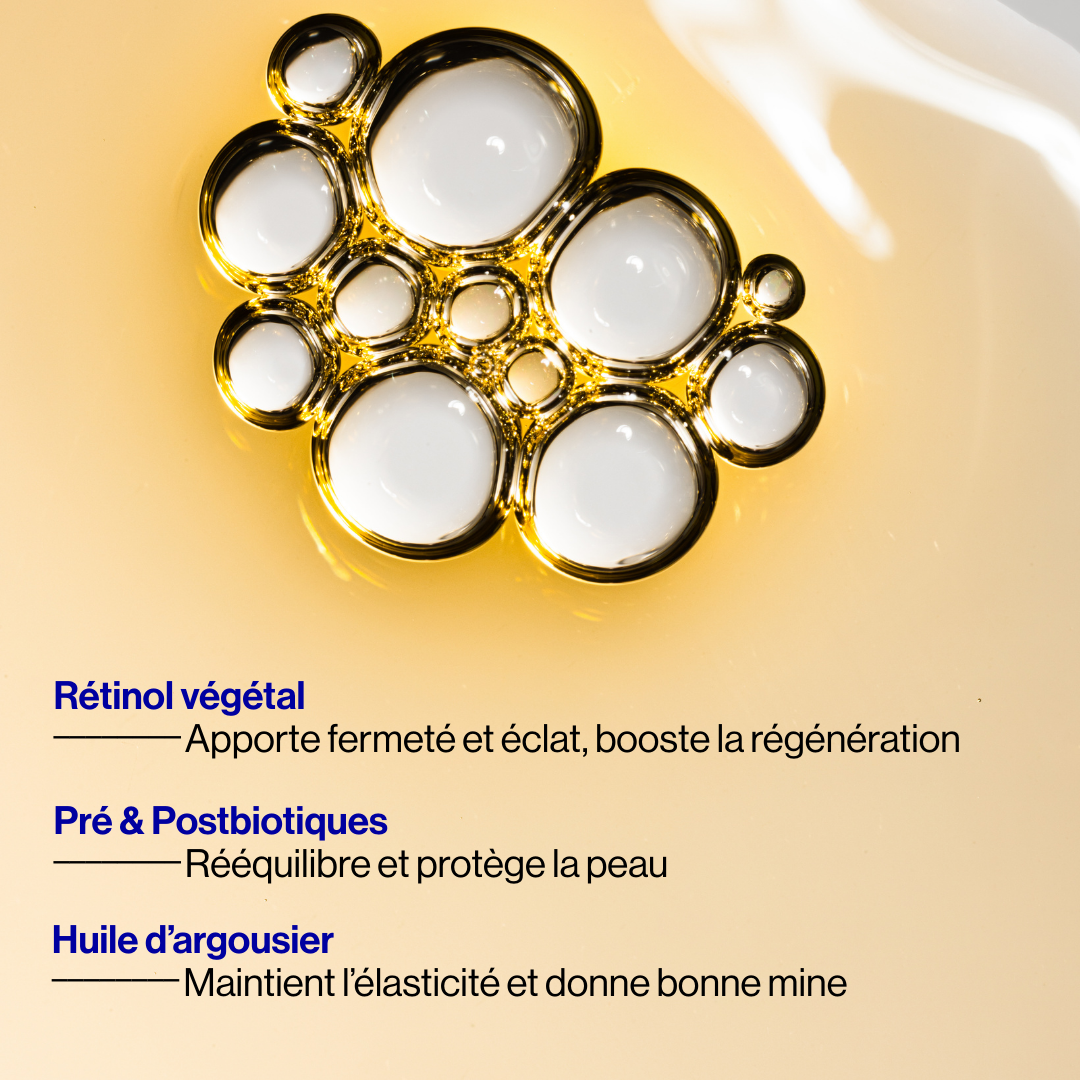
The plant-based retinol, also known as "retinol-like," used in our formulas is derived from sea fennel. This natural ingredient offers a gentle and effective alternative to synthetic retinol. Thanks to its regenerating and smoothing properties, it acts deep down to redensify the epidermis, reduce the signs of aging, and brighten the complexion. Demain Beauty incorporates it into its skincare products for visibly younger and more radiant skin.

The benefits of plant-based retinol for the skin
1. Stimulation of collagen synthesis
Sea fennel boosts collagen production while reducing its breakdown, contributing to firmer and more elastic skin.
2. Smoothing and reduction of wrinkles
This active ingredient helps reduce wrinkles and roughness by refining skin texture for a softer feel and a more even appearance.
3. Pore reduction and even skin tone
Thanks to its purifying and regulating action, plant-based retinol reduces pore size and improves skin tone evenness, providing natural luminosity.
4. Global anti-aging action
By redensifying the epidermis and improving skin texture, sea fennel acts deep down for visibly younger and revitalized skin.
Why does Demain Beauty use this ingredient?
Demain Beauty selected sea fennel as its plant-based retinol for its proven effectiveness and optimal skin tolerance. It provides a powerful, natural anti-aging solution without the irritating effects of synthetic retinol.
Thanks to its regenerative, smoothing, and illuminating properties, plant-based retinol derived from sea fennel is a powerful ally for firmer, more radiant skin. Its inclusion in Demain Beauty skincare products guarantees a natural, effective beauty routine that respects both skin and the environment.
FIND THIS INGREDIENT IN DEMAIN BEAUTY PRODUCTS
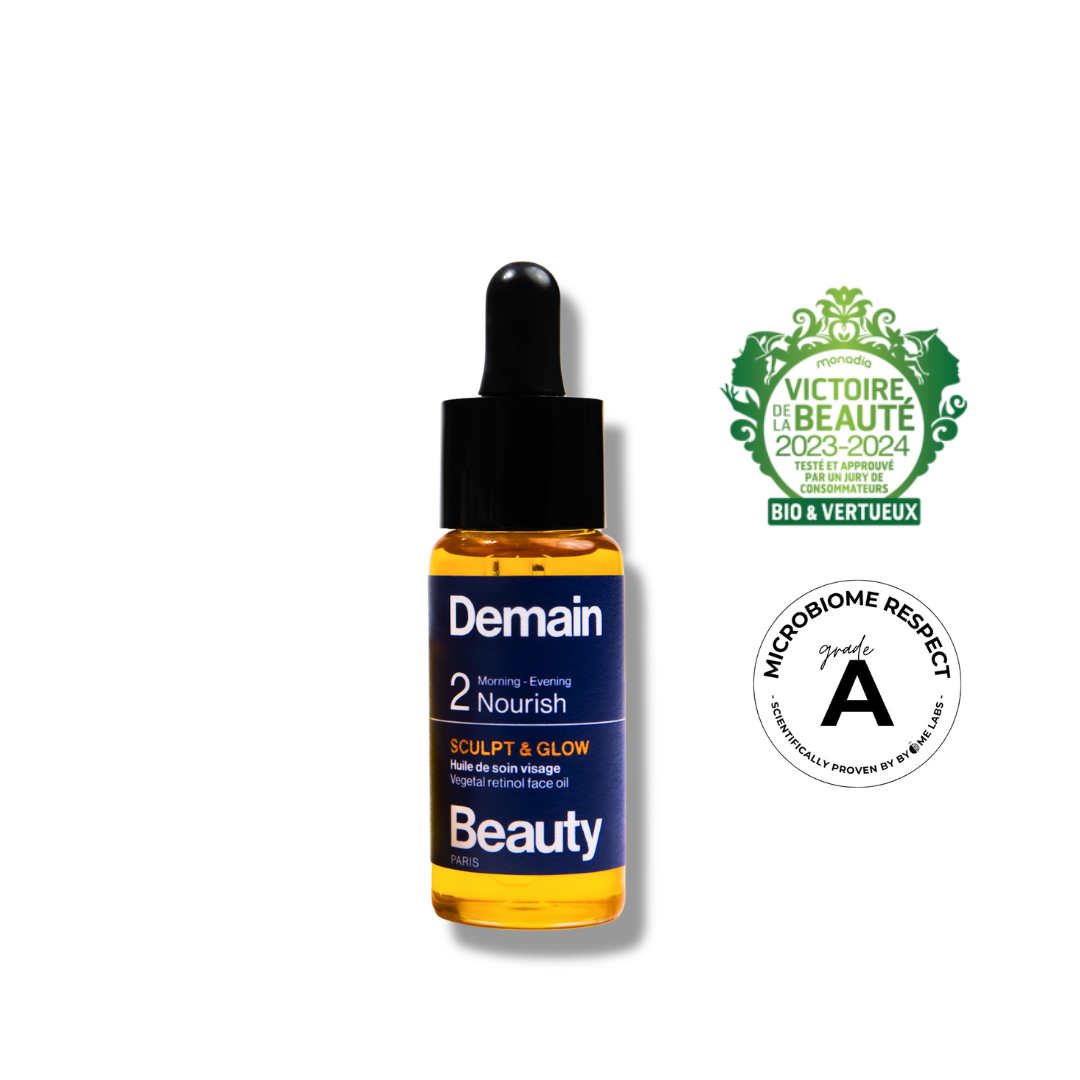

Victoire de la Beauté 2023-2024 (Beauty Award 2023-2024)
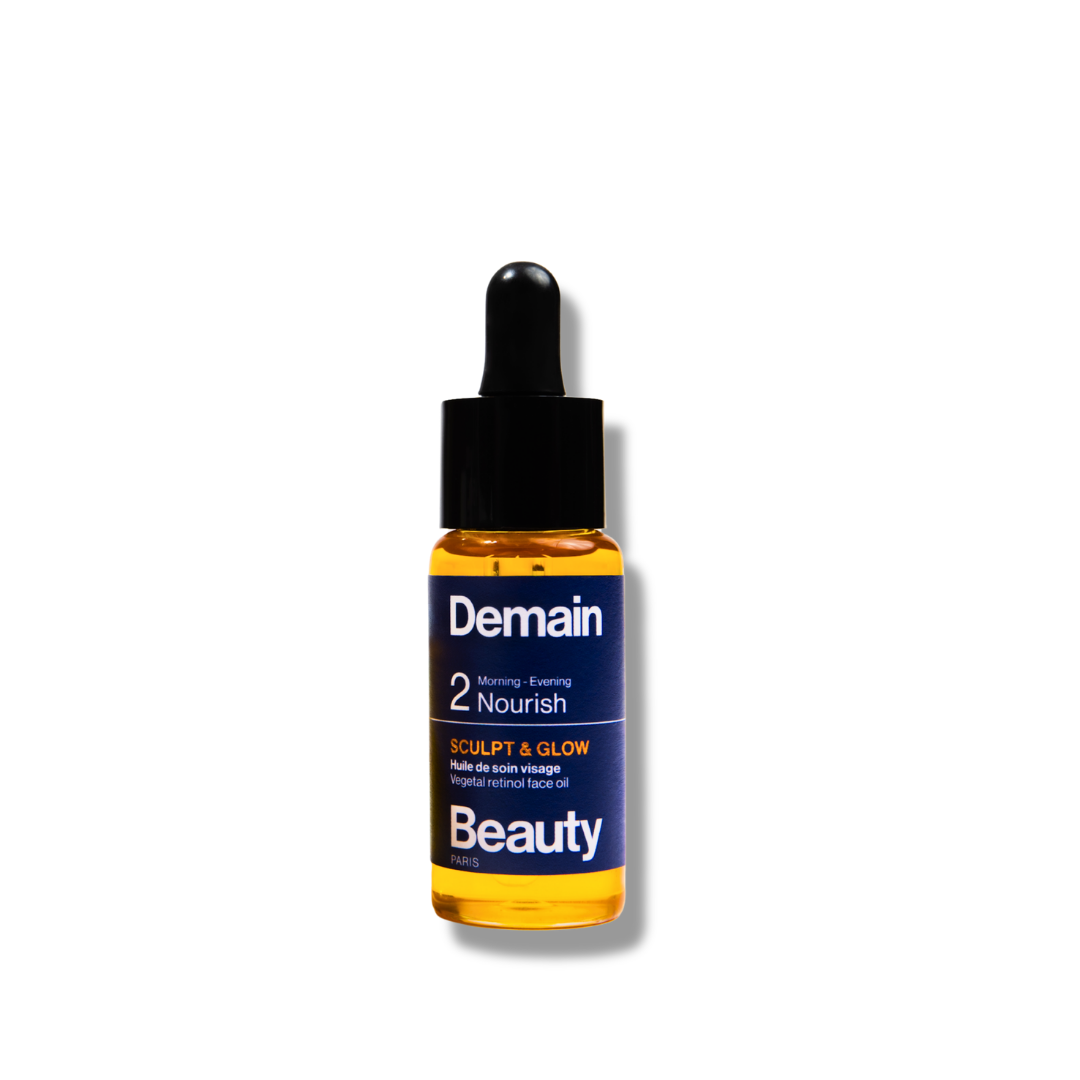
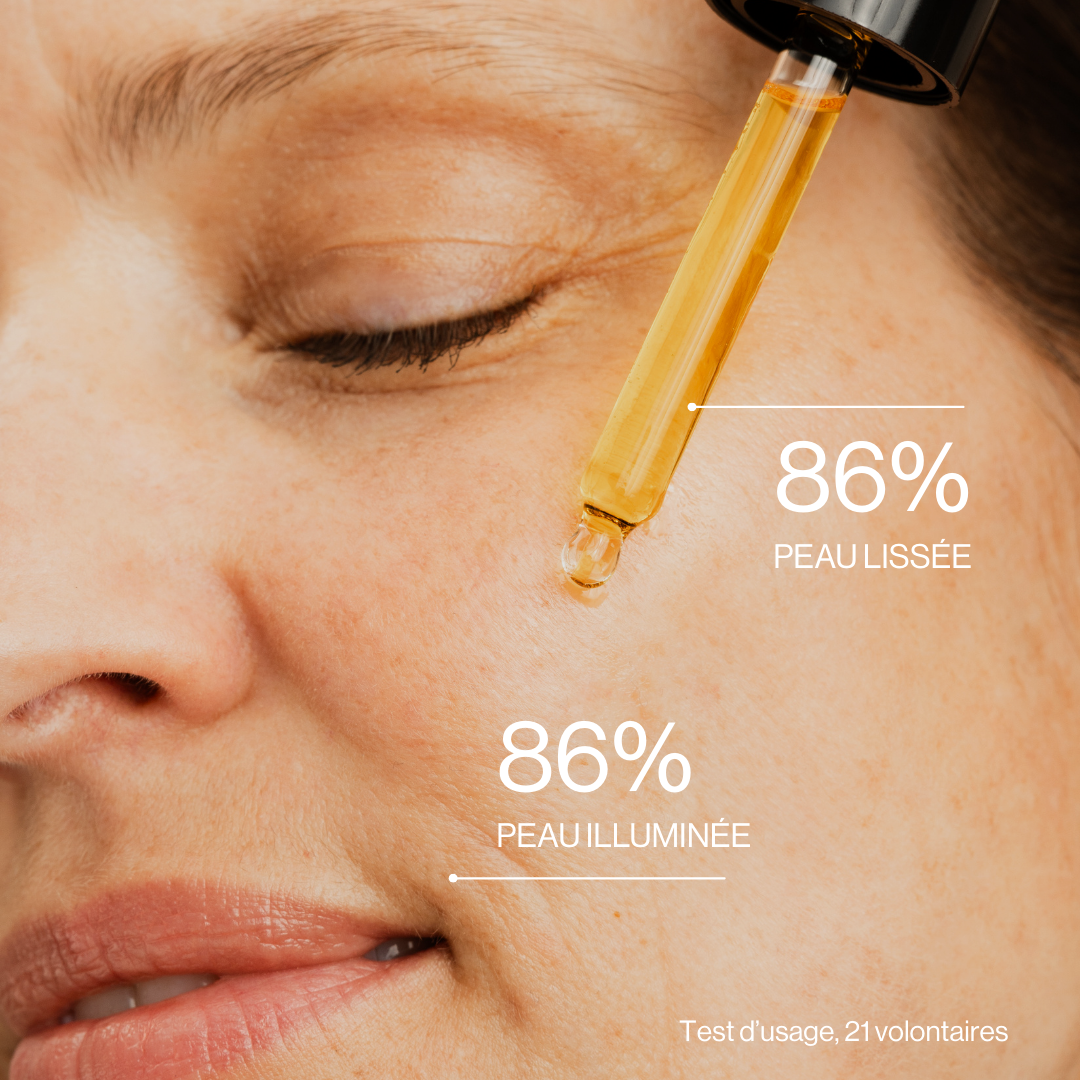
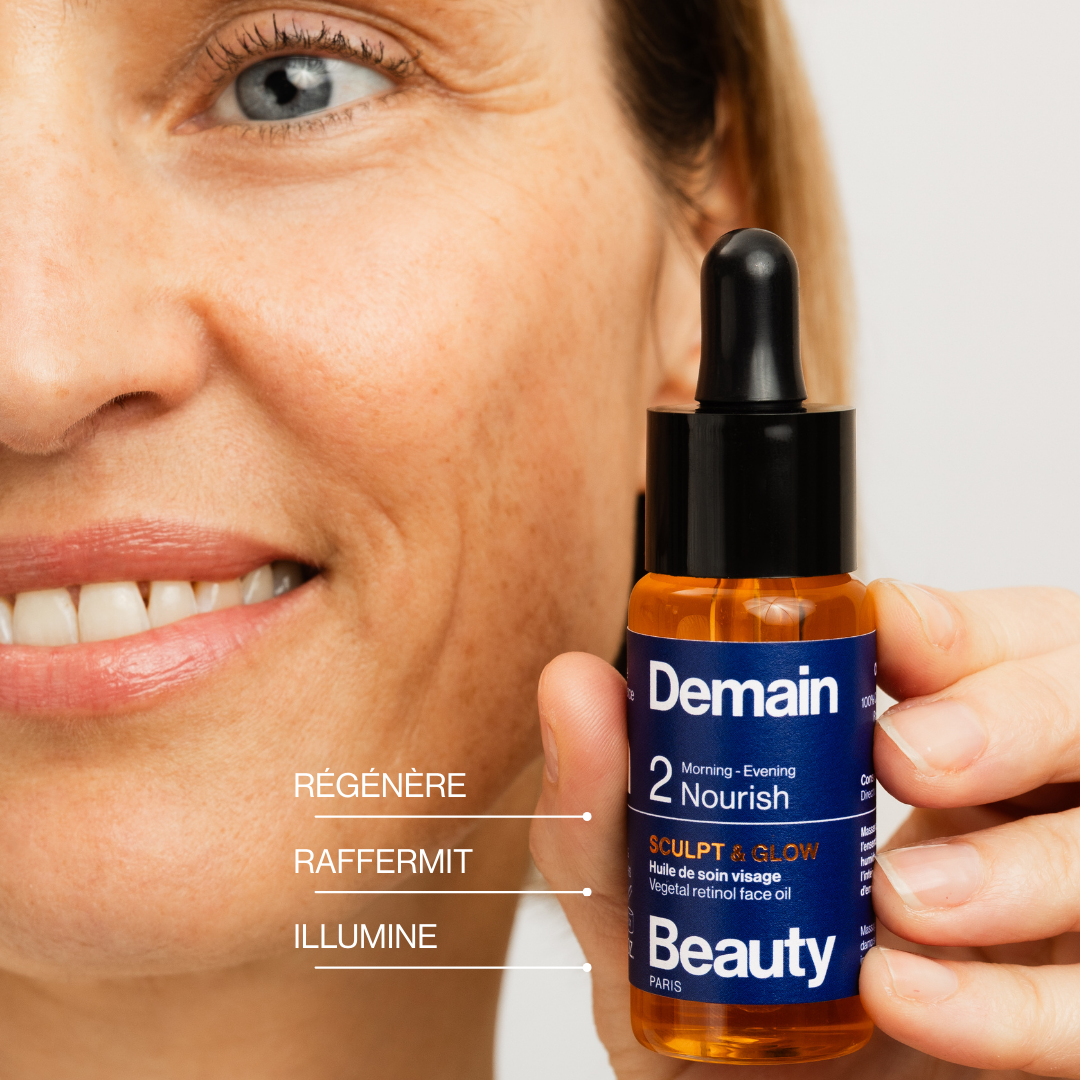
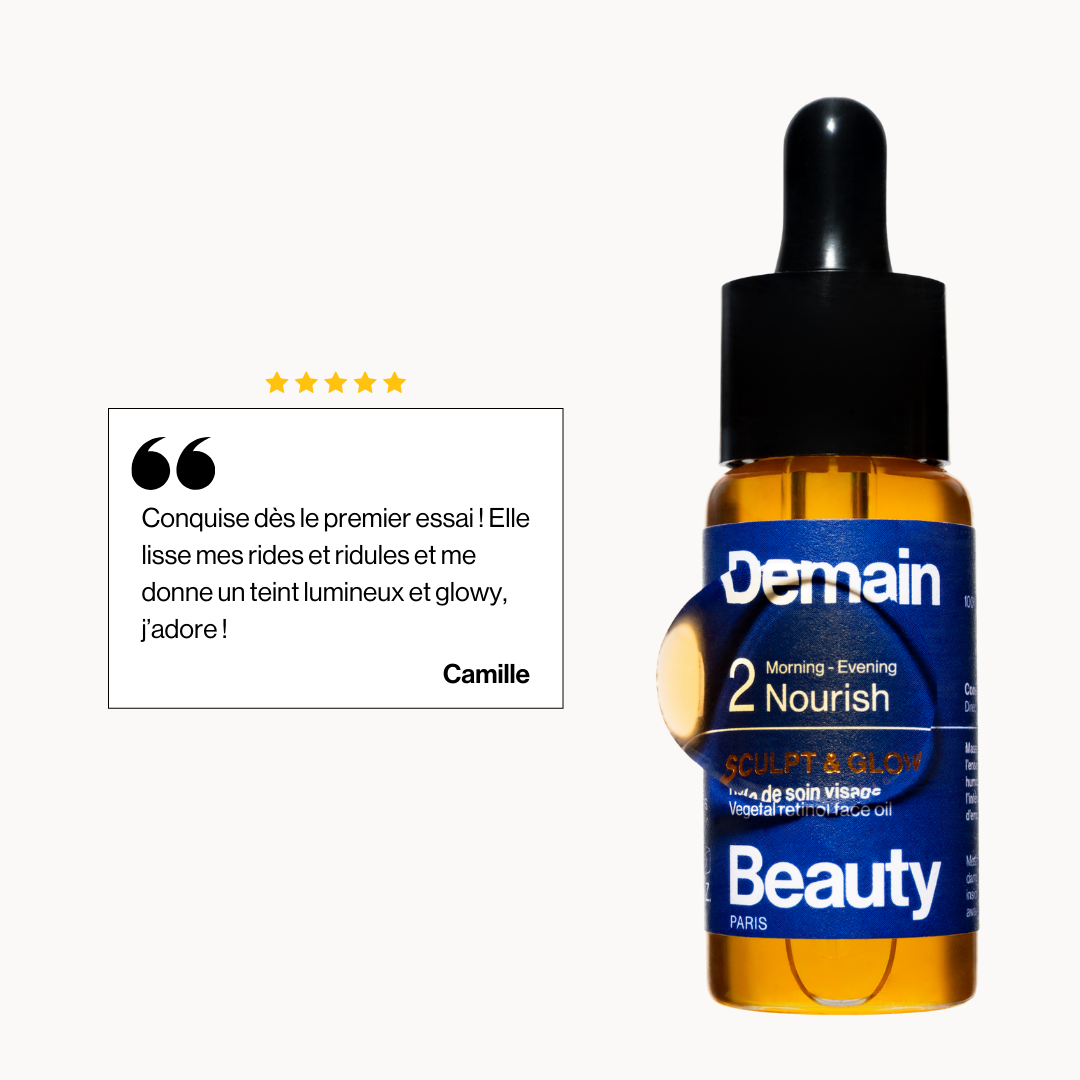
Adopted by many facialists, the Sculpt & Glow facial oil with plant-based retinol by Demain Beauty intensely nourishes the skin, smooths wrinkles, and restores firmness and radiance, all while rebalancing the skin's microbiome.
- Non-irritating plant-based retinol-like ingredient derived from sea fennel
- Immediate healthy glow and radiance effect
- Suitable for all skin types
30ml | Usage duration: approximately 3 months
Product
Product
Product
FOR MORE BEAUTY NEWS
Discover the Journal Demain®
Comment prendre soin de sa peau : guide microbiome
Découvrez comment prendre soin de sa peau grâce au microbiome cutané : routine minimaliste, protection solaire et approche Inside/Out pour un éclat durable.

Comment ne plus avoir la peau grasse : guide complet
Peau grasse, brillance, pores dilatés : découvrez comment réguler durablement votre sébum grâce aux postbiotiques et à l'approche Inside-Out.

Que prendre pour le stress : nutriments et méthodes naturelles
Stress chronique, fuite de magnésium, inflammation cutanée : découvrez quels nutriments et méthodes naturelles adopter pour retrouver votre équilibre durable.