The key takeaways: An effective routine only takes a few steps: cleanse, moisturize, and protect from the sun in the morning. Avoid using two exfoliants, or an exfoliant and a retinol treatment, on the same evening. Introduce only one new product at a time, testing it on a small area first.
More products do not make your skin more beautiful. Scrubs, serums, and excessive treatments can quickly add up, leaving the skin feeling tight. Skincare mistakes, however, are easy to spot. Here is how to keep your routine simple and effective.
Table of Contents
Skincare mistakes to avoid for a simple, effective routine
An effective routine only takes a few steps. In the morning, cleanse, moisturize, and protect your skin from the sun. In the evening, cleanse and moisturize. A serum or exfoliant is optional: choose one based on your skin's condition and your goals.
Follow the correct application order and introduce products gradually
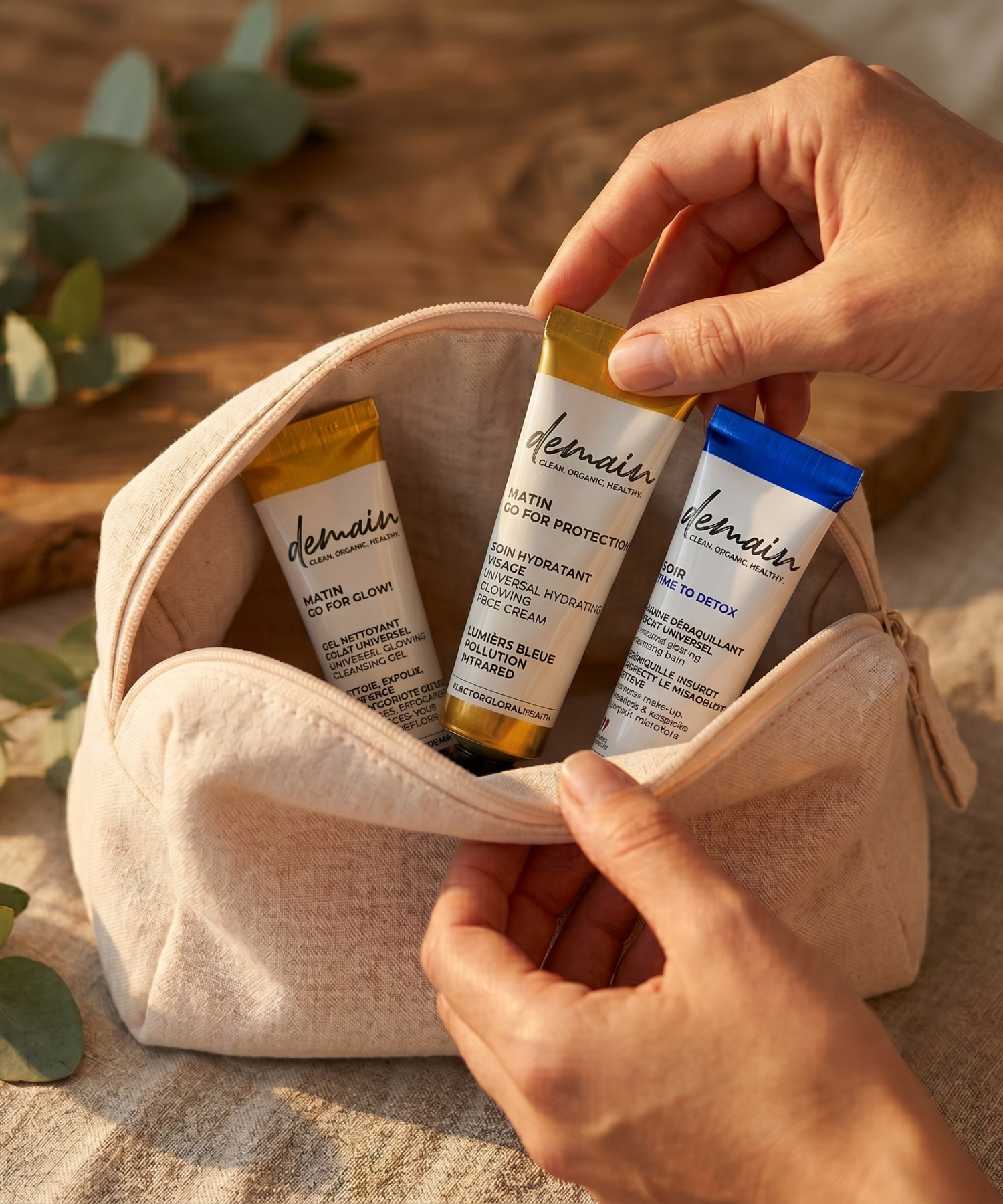
Apply products in order of texture, from lightest to richest. In the morning, apply your cleanser, then your serum if you use one, followed by moisturizer and finally sun protection. In the evening, remove your sun protection and makeup, then apply targeted treatments and moisturizer.
Introducing several new products at once makes it difficult to understand any reactions. Add only one product at a time. For exfoliating or smoothing active ingredients, space out applications, then adjust based on how your skin feels.
Avoid layering active ingredients and test before applying to your whole face
Avoid layering the same active ingredients on the same evening: multiple exfoliating products, an exfoliant combined with a retinol treatment, or several formulas already rich in active ingredients. This combination can increase dryness, redness, burning sensations, or flaking.
Before applying a new product to your entire face, test it on a small area not exposed to rubbing for several days to check for any reaction. If redness, itching, or swelling occurs, rinse your skin and stop using the product.
Gentle cleansing helps prevent dryness and irritation
Cleansing should remove makeup, sun protection, sweat, and impurities without leaving the skin feeling tight or uncomfortable. The frequency and method should be adapted to each skin type.
Cleanse without stripping the skin
For most skin types, twice-daily cleansing is enough. You can cleanse again after heavy sweating. Dry, sensitive, or uncomfortable skin is best cleansed only in the evening: in the morning, simply rinsing with water is enough when the skin has no excess sebum or significant residue.
Choose a gentle cleanser designed for the face. Apply it with your fingers to damp skin. Lukewarm water is better than very hot water, which increases the feeling of dryness. Rubbing longer does not cleanse better: gloves, brushes, and sponges add unnecessary friction, especially when the skin already feels tight. A brief massage, a thorough rinse, and patting dry are enough.
Cleanse in the evening and maintain your accessories
Double cleansing can be useful after long-wear makeup or resistant sun protection. It combines a formula that dissolves oil-based substances with a gentle water-based cleanser. It is not necessary every morning. Combining two overly harsh products can dry out the skin.
Exfoliating without overdoing it helps maintain skin comfort
Exfoliation is useful, provided you follow the frequency and method suited to your skin. Too frequent exfoliation or too vigorous application can weaken the skin barrier instead of improving it.
Adjust your exfoliation routine
Mechanical exfoliation removes surface cells through friction, using a scrub, brush, or sponge. Chemical exfoliation uses acids, especially alpha-hydroxy or beta-hydroxy acids, which detach cells without rubbing the skin.
Red, very dry, or shiny skin indicates that you are exfoliating too frequently. This is also the case if your skin feels sensitive, stings, or burns when you apply a product. Flaking is another sign to watch for.
Exfoliate gently and know when to take a break
When using a scrub, use short, light movements without focusing on dry areas. With a chemical exfoliant, follow the quantity, leave-on time, and frequency indicated on the packaging. Avoid exfoliating skin that has been heated by the sun or an area that is already weakened.
After exfoliating, apply a moisturizer to maintain comfort and reduce dryness. If your skin becomes red, stings, or feels tight, stop using the exfoliant for a few days and return to a simple routine: a gentle cleanser and a moisturizer.
Moisturizing and sun protection complete the essential steps
Moisturizing and protecting from the sun are two steps that apply to all skin types, regardless of the season. Here is how to incorporate them without weighing down your routine.
Moisturize without weighing down your routine
Choose a light texture if your skin is shiny, and a richer texture if it feels tight or lacks suppleness. Oily skin also needs moisture.
After cleansing, apply products from the lightest to the richest texture, finishing with moisturizer. A serum is not necessary when the cream already meets your skin's essential needs.
Protect your skin from the sun
The UV index varies depending on the season, time of day, latitude, altitude, and weather conditions. When exposure is significant, choose a sun protection product with at least SPF 30 that protects against UVA and UVB rays, then adjust your vigilance to the reported intensity.
Apply a sufficient amount of product to all exposed areas: face, ears, neck, décolletage, hands, and lips. Reapply approximately every two hours, as well as after swimming, exercising, or heavy sweating.
To maintain an effective routine without taking too much time, introduce only one new product at a time, observe your skin's reaction for several days, then adjust based on how it feels. This method helps you identify what really suits your skin.
FAQ
Should you change your routine when the seasons change?
Yes, especially adapt the texture and frequency of your products to your skin's needs. A richer formula provides comfort in cold weather. A light texture is better suited for hot or humid periods.
Is a moisturizer with SPF enough for the day?
A multifunctional product may be enough, provided you apply enough and it has broad-spectrum SPF. You still need to reapply after prolonged exposure, swimming, or sweating.
When should you consult a healthcare professional if your skin reacts?
Consult a healthcare professional if redness, itching, burning, or swelling persists after you stop using the product. They can help identify the cause of the reaction and rebuild a suitable routine.
How long should you wait between applying a serum and a cream?
There is no single timeframe: apply the cream as soon as the serum has been absorbed. Once absorbed, a serum no longer leaves a greasy film and blends into the skin when touched.