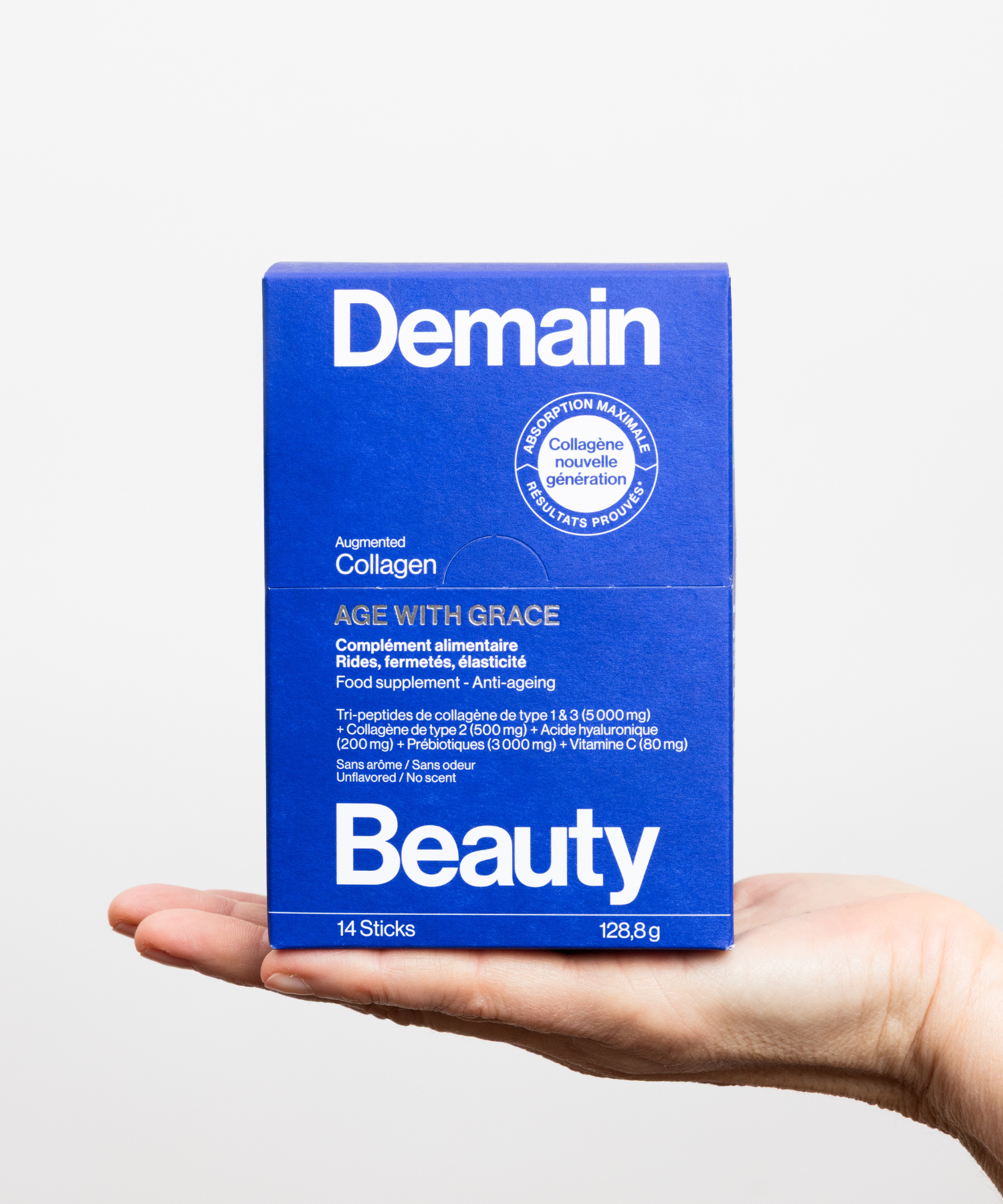
Key takeaways: Chronic stress depletes your magnesium reserves and disrupts your gut-brain axis, triggering silent inflammation that dulls your skin's radiance. By combining adaptogenic nutrients and heart coherence, you can restore your nervous system resilience and preserve your youthful vitality. Adopt an inside & outside beauty approach now to protect your overall balance.
Chronic stress causes a urinary loss of magnesium, a mineral that is essential for regulating your nervous system and limiting cortisol production. This hormonal cascade eventually depletes your body, directly impacting mental clarity and the radiance of your skin. We often end up enduring this nervous overload without knowing how to break the vicious cycle. Determining exactly what to take for stress allows you to restore your biological resilience and protect your health capital. We will review the most effective nutrients and natural methods for regaining your balance.
Table of Contents
What to take for stress: understanding the biological mechanisms
Stress mobilizes adrenaline and cortisol through three physiological phases: alarm, resistance, and exhaustion. This hormonal cascade directly impacts the gut microbiome and skin balance, promoting silent inflammation and premature aging. This biological reaction, while natural, requires a fine understanding of nervous cycles to prevent fatigue from setting in long-term.
The three phases of the daily nervous response
The alarm phase triggers an immediate release of adrenaline. Your body physically prepares to react to a perceived threat, and your heart rate accelerates to favor fight or flight. In the resistance phase, cortisol takes over to maintain your available energy. But without the possibility of recovery, the tension becomes chronic and you risk tipping into an exhaustion that is harmful to your body.
It is therefore useful to know how to manage cortisol. Effective regulation preserves your overall vitality.
Physical and psychological warning signs to watch for
Your body often expresses nervous overload through concrete somatic manifestations. Muscle tension, stomach aches, or persistent palpitations indicate that your system is saturated. Do not neglect these messages.
- Sleep disorders marked by insomnia or nighttime waking.
- Persistent fatigue in the morning despite apparent rest.
- Unusual irritability impacting those around you and your own serenity.
High mental load also alters your mental clarity. This cognitive fog, common among active women, disrupts concentration and makes it difficult to make decisions with your usual confidence.
3 natural nutrients to stabilize your nervous balance
To counter these exhausting biological mechanisms, certain targeted nutrients can help restore your body's resilience gently.
Why magnesium is your priority anti-fatigue ally
Stress causes a urinary loss of magnesium. This deficit accentuates your fatigue and nervous vulnerability, creating a vicious cycle that must be broken quickly to regain your vitality. This mineral regulates your nerve and muscle functions while decreasing cortisol production.
Magnesium contributes to the normal functioning of the nervous system and to the reduction of fatigue, acting as a true mineral shield in your daily life.
A magnesium citrate cure helps counter metabolic acidosis and effectively protects your internal balance. Discover which magnesium to choose for stress and anxiety to make the right choice.
Adaptogenic plants and B vitamins for lasting resilience
Rhodiola and ashwagandha support your body by helping it adapt to stressors without drowsiness. These plants regulate cortisol and allow your energy to remain stable throughout your active day. Vitamins B6 and B12 are also essential for your serenity: they allow for the synthesis of neurotransmitters like serotonin, and a deficiency directly impacts your mood.
Prioritize alkalizing foods daily. Tailored nutrition strengthens your resistance. Check out our article on foods to favor for managing stress.
The impact of stress on your microbiome and skin health
Beyond the purely nervous sphere, these imbalances ripple through your intestinal ecosystem, affecting the radiance of your skin in turn.
Gut-brain axis: the key role of the gut microbiome
The dialogue between your brain and your gut is constant. Your intestinal bacteria synthesize molecules that directly influence your serenity and modulate your biological response to daily anxiety. Supplementing with probiotics strengthens your protective intestinal barrier: a balanced microbiome prevents toxins from saturating your body and limits systemic inflammation triggered by your high-stress periods.
Adopting an inside & outside beauty vision then becomes a strategic necessity, forming the foundation of overall health.
Preserving skin longevity against silent inflammation
Oxidative stress visibly accelerates the aging of your cells. Cortisol, when produced in excess, actively degrades your collagen fibers, and your face prematurely loses its firmness and natural radiance.
| Stress Factor | Skin Impact | Inside/Out Solution |
|---|---|---|
| High Cortisol | Dull complexion | Magnesium and radiance care |
| Inflammation | Redness | Probiotics and soothing care |
| Oxidation | Wrinkles | Antioxidants and serums |
| Altered Microbiome | Sensitivity | Topical prebiotics |
The Inside/Out approach guarantees lasting effectiveness. Combine protective internal nutrients with prebiotic-rich skincare: this synergy protects your skin microbiome from environmental and emotional aggression.
How to differentiate temporary tension from a chronic disorder?
Knowing how to identify the nature of your discomfort is essential for choosing the care strategy best suited to your situation.
Breathing techniques and heart coherence at the office
Heart coherence stands out as an immediate regulation tool. This simple method stabilizes your heart rate in minutes and fits perfectly into your busy schedules. The WHO recommends effective strategies for managing stress, including mindfulness and a healthy lifestyle, two pillars that support your nervous balance long-term.
To vary your approaches, discover these outdoor relaxation techniques, which perfectly complement your daily office routine.
When to consult a professional for an anxiety disorder
If anxiety paralyzes your daily life or has persisted for several months, professional help is necessary. Do not let exhaustion take hold of your life. Inserm details treatments for anxiety disorders, including cognitive therapies and specific medical solutions that address the root cause of the imbalance.
Acting early allows for effective burnout prevention. A holistic approach combining lifestyle habits and medical follow-up guarantees your long-term health, and it is the key to serene longevity.
To preserve your vitality, rely on the synergy of magnesium, adaptogenic plants, and probiotics to regulate your cortisol. Adopt heart coherence today to soothe your nervous system and protect the radiance of your skin. Act now to transform your resilience and regain lasting balance.
FAQ
What are the essential nutrients to prioritize for soothing your nervous system?
To stabilize your internal balance, we recommend turning to magnesium, a fundamental mineral that regulates your nervous functions and limits fatigue by reducing cortisol production. Its action is ideally complemented by B-group vitamins, notably B6, B12, and B1, which support the synthesis of serenity neurotransmitters like serotonin. Integrating adaptogenic plants, such as rhodiola for mental energy or ashwagandha for calmness, allows your body to adapt to external stressors. Do not forget omega-3s and amino acids like L-theanine, which actively participate in regulating your mood and protecting your cognitive functions.
How does stress impact the health of my skin and my microbiome?
There is a fascinating bidirectional communication called the gut-brain-skin axis. When you experience chronic tension, the released cortisol degrades collagen and elastin, causing premature aging and a dull complexion. Meanwhile, this imbalance disrupts your gut microbiome, promoting silent inflammation that can manifest as redness or increased skin sensitivity. To preserve your radiance, we advocate an Inside & Out approach: pamper your intestinal flora with probiotics and fiber, while protecting your skin barrier with antioxidant-rich skincare. This synergy helps neutralize free radicals and maintain the firmness of your epidermis in the face of emotional stress.
Why does stress cause magnesium loss and intense fatigue?
It is a true biological vicious cycle: under the effect of intense tension, adrenaline pushes magnesium out of your cells into the blood plasma, from where it is then eliminated through urine. This magnesium depletion accentuates your nervous vulnerability, creating a feeling of "hitting a wall" and a drop in physical resistance. To break this mechanism, it is essential to compensate for these losses through a targeted diet or appropriate supplementation. By restoring your magnesium levels, you help your body curb the release of cortisol and regain stable energy, thus protecting your nervous system from exhaustion.
What is the difference between rhodiola and ashwagandha for managing anxiety?
Although both are valuable allies, their temperaments differ. Rhodiola is a stimulating plant, ideal if you feel mental fatigue and need to improve your concentration during the day. Conversely, ashwagandha is recognized for its soothing virtues; it directly targets cortisol reduction and promotes deep relaxation, making it perfect for improving the quality of your sleep. We often see a nice complementarity in combining the two: rhodiola in the morning for vitality, and ashwagandha in the evening for recovery. This strategy covers all your physiological needs over a 24-hour cycle.
How can I practice heart coherence to relax quickly at work?
Heart coherence is a simple and effective breathing method for regulating your heart rate in minutes. We advise adopting the 365 rule: practice 3 times a day, take 6 breaths per minute (inhale for 5 seconds, exhale for 5 seconds) for 5 minutes. This technique stabilizes your autonomic nervous system and drops your cortisol levels almost instantly. It is a wellness tool that is particularly useful between two meetings to dissipate mental load and regain immediate clarity of mind.
When is it necessary to consult a professional for anxiety?
We encourage you to seek medical help as soon as your anxiety becomes excessive and persistent, or begins to hinder your daily activities and social relationships. If you experience lasting physical symptoms like palpitations, severe sleep disorders, or constant irritability, early diagnosis is essential. Consulting a professional allows for precise identification of the type of disorder (generalized anxiety, panic disorder, etc.) and the implementation of a tailored therapeutic strategy, often combining lifestyle habits, cognitive therapies, and, if necessary, medical follow-up to prevent any risk of deep exhaustion.