Key takeaways: In the event of a severe sunburn, immediately cool the skin with lukewarm water and stay intensely hydrated to stop the thermal progression. Preserve your blisters and microbiome to accelerate healing. If the burn is larger than the size of a hand or is accompanied by a fever, a medical consultation is necessary.
A second-degree sunburn is characterized by the sudden appearance of blisters and sharp pain, signaling deep damage to the skin tissues. Knowing exactly what to do in case of a bad sunburn is therefore crucial for limiting cellular damage and stopping inflammation. Faced with such thermal aggression, the body struggles to regulate its temperature, and its protective barrier collapses. We will detail cooling protocols, hydration solutions, and warning signs that require a medical consultation to restore the integrity of your skin ecosystem.
Summary
What to do in case of a bad sunburn: emergency steps
In case of a severe burn, cool the area with lukewarm water (15-25°C) for 15 minutes, hydrate heavily, and monitor for the appearance of blisters or fever, which are signs that require an immediate medical consultation. The absolute priority is to stop the thermal burn by lowering the skin temperature.
Cooling the skin to stop thermal progression
The use of lukewarm water is essential for your recovery. Icy cold would cause sudden vasoconstriction, thereby aggravating your tissue damage. Opt for a mild temperature to soothe the affected area for a sustained period.
Absolutely avoid the application of fatty substances like occlusive butters: these substances trap heat in your dermis, prolonging inflammation. Instead, use damp compresses, never rubbing your fragile epidermis.
Immediate cooling is the only way to limit the spread of the burn to the deep layers of the skin.
Internal hydration to support tissue repair
A major sunburn causes significant transepidermal water loss. Drink at least two liters of water daily to support your cellular metabolism as well as the healing process. You can also explore our guide to natural remedies for sunburns, which effectively complements your care protocol.
Consume fresh fruits to neutralize oxidative stress. Vitamin C and beta-carotene are your most precious allies for restoring your skin barrier. Never neglect the intake of essential nutrients during this phase: repair begins from within.
When should you be concerned about a significant sunburn?
Beyond local pain, certain signs indicate that the entire body is fighting against an overly violent aggression.
Identifying systemic warning symptoms
Fever and chills often signal an associated heatstroke. If you feel dizzy or nauseous, do not wait: these symptoms require rapid medical advice. Pale or clammy skin should also alert you immediately.
The rule of body surface area is decisive. A burn larger than the size of a hand is serious. Pay particular attention to sensitive areas such as the face or joints, and consult immediately in case of facial swelling. It is useful to understand how long a sunburn lasts to monitor the progress of your skin recovery.
Managing blisters and the risk of infection
Blisters serve as a natural and sterile bandage. Popping them opens the door to bacteria and increases the risk of skin infection or scarring. They indicate a deep or superficial second-degree burn.
- Disinfect with an alcohol-free antiseptic.
- Use sterile compresses.
- Monitor for the appearance of pus or extensive redness.
| Burn stage | Visual signs | Recommended action |
|---|---|---|
| 1st degree | Simple redness, heat | Hydration and soothing |
| Superficial 2nd degree | Blisters, clear liquid | Protect without popping |
| Deep 2nd degree | White skin, low sensitivity | Urgent medical consultation |
Restoring the skin ecosystem after inflammation
Once the emergency is over, the priority becomes rebuilding your protective barrier and its microbiome.
The role of the microbiome in healing
Intense UV exposure deeply alters the biological balance of your epidermis. The rays destroy the good surface bacteria, which weakens your natural defenses and slows down tissue regeneration after the aggression.
Integrating prebiotics into your skincare is therefore fundamental to nourish the beneficial flora. A balanced microbiome accelerates skin repair while limiting residual inflammation. It constitutes the essential foundation of your skin health.
Skin with a preserved microbiome heals twice as fast as sterile or unbalanced skin.
Simplifying your routine to promote regeneration
Faced with aggression, minimalism becomes your best ally. Temporarily put aside fruit acids, retinol, or scrubs: your epidermis requires calm and gentleness to rebuild its protective layers without extra stress.
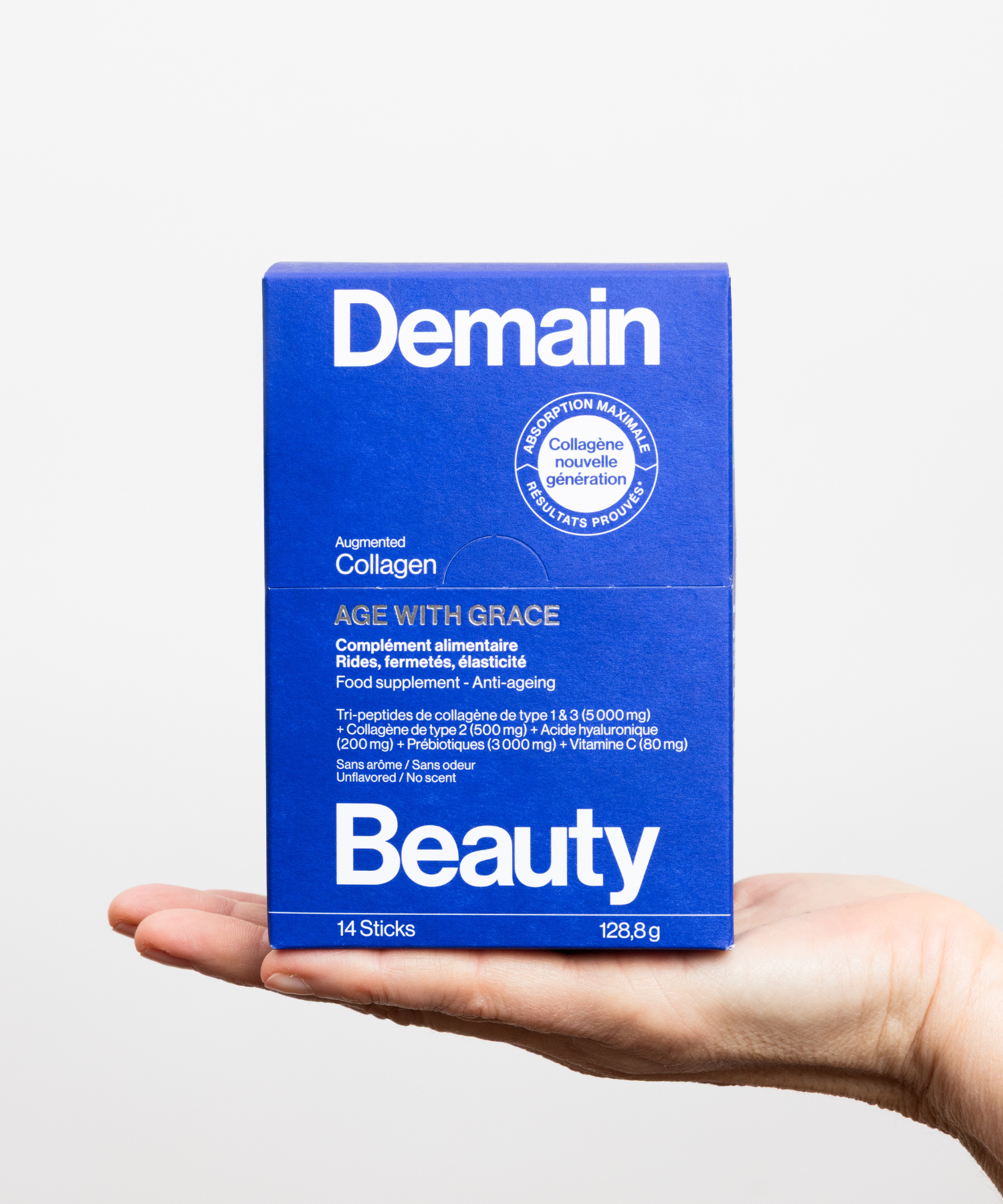
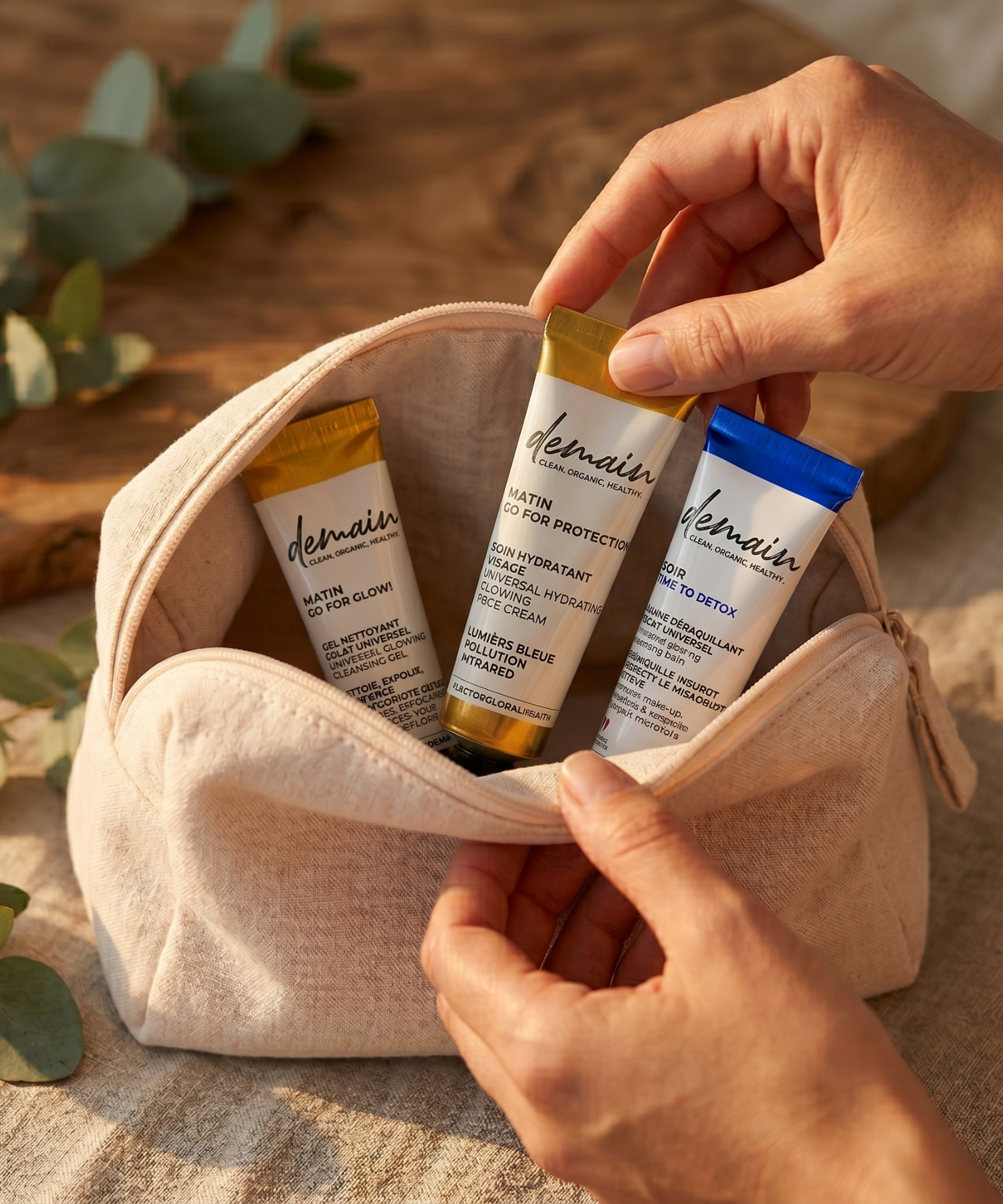
To accompany this recovery phase, prioritize high-performance clean beauty products, whose formulas respect the integrity of your skin barrier while providing the essential nutrients for its recovery. Choose fluid textures that allow the skin to breathe while delivering the necessary lipids, and avoid synthetic components such as silicones or irritating fragrances, which hinder natural repair.
Anticipating the effects of the sun on longevity
Every burn leaves an invisible but lasting trace that directly impacts the youthfulness of your cells.
Cellular memory and photoaging
UV rays degrade collagen deep down, breaking essential supporting fibers. This process leads to wrinkles and premature loss of firmness. Understanding the damage caused by the sun to the skin is crucial for preserving your youth capital, especially since cellular mutations accumulate silently over time.
Protect marked areas: burned skin remains vulnerable for years. It must be covered during future exposures.
Adopting intelligent sun protection daily
Choose filters that respect the microbial life of your face. Sun prevention is the most powerful anti-aging action in your routine. Applying suitable sunscreen becomes an essential daily shield: opt for high indices to maintain the balance of your microbiome.
Expose yourself with discernment and avoid the hottest hours. Your skin health capital is precious; learn to manage it sustainably.
Immediately cooling the skin with lukewarm water, hydrating intensely, and preserving the integrity of blisters are the pillars of your recovery. By adopting these good habits, you will know exactly what to do in case of a bad sunburn to limit cellular damage. Act now to restore your skin barrier and ensure the future health of your epidermis.
FAQ
What are the first steps to take when dealing with a severe sunburn?
The absolute priority lies in the immediate interruption of sun exposure and cooling the burn. Apply lukewarm water compresses or take a bath with a temperature between 15 and 25°C for about fifteen minutes. This helps stop thermal spread to deep tissues without causing the sudden vasoconstriction that icy water would cause. At the same time, massive internal hydration is essential to compensate for transepidermal water loss. Drink plenty of fluids over the following days and prioritize the application of aloe vera gel or specific protective topicals, such as Biafine, to soothe inflammation and support the weakened skin barrier.
When does a sunburn require a medical consultation?
Rigorous vigilance is required as soon as symptoms go beyond simple redness. Consult a doctor if you observe the appearance of blisters, a sign of a second-degree burn, or if the affected area is extensive. Professional advice is also required for infants and young children, whose skin is particularly vulnerable. Be alert to systemic warning signs such as fever, chills, dizziness, or nausea, which may indicate sunstroke or heatstroke. Any sign of skin infection, increased pain, presence of pus, or unusually spreading redness constitutes a medical emergency requiring rapid care.
Is it advisable to pop blisters after a sunburn?
It is strongly advised against popping blisters. They act as a sterile biological bandage, protecting the exposed dermis against external aggression. By breaking them, you open a gateway for bacteria, considerably increasing the risk of infection and permanent scarring. If a blister ruptures spontaneously, gently disinfect the area with an alcohol-free antiseptic and protect it with a sterile non-stick bandage. Let the skin regenerate at its own pace under this natural protection to ensure optimal healing.
How can you promote skin repair after inflammation?
Once the acute inflammatory phase is stabilized, the goal is to restore the skin ecosystem and its microbiome. Since UV rays have altered the beneficial flora of your epidermis, the use of prebiotic skincare can be wise to accelerate regeneration. Adopt a minimalist routine: temporarily remove irritating actives like retinol or scrubs so as not to further stress the tissues under reconstruction. Keep in mind that skin retains a cellular memory of every injury. An area that has suffered a significant sunburn will remain vulnerable for several years: protect it with covering clothing or broad-spectrum sun protection during your next exposures to prevent premature photoaging and preserve your skin health capital.