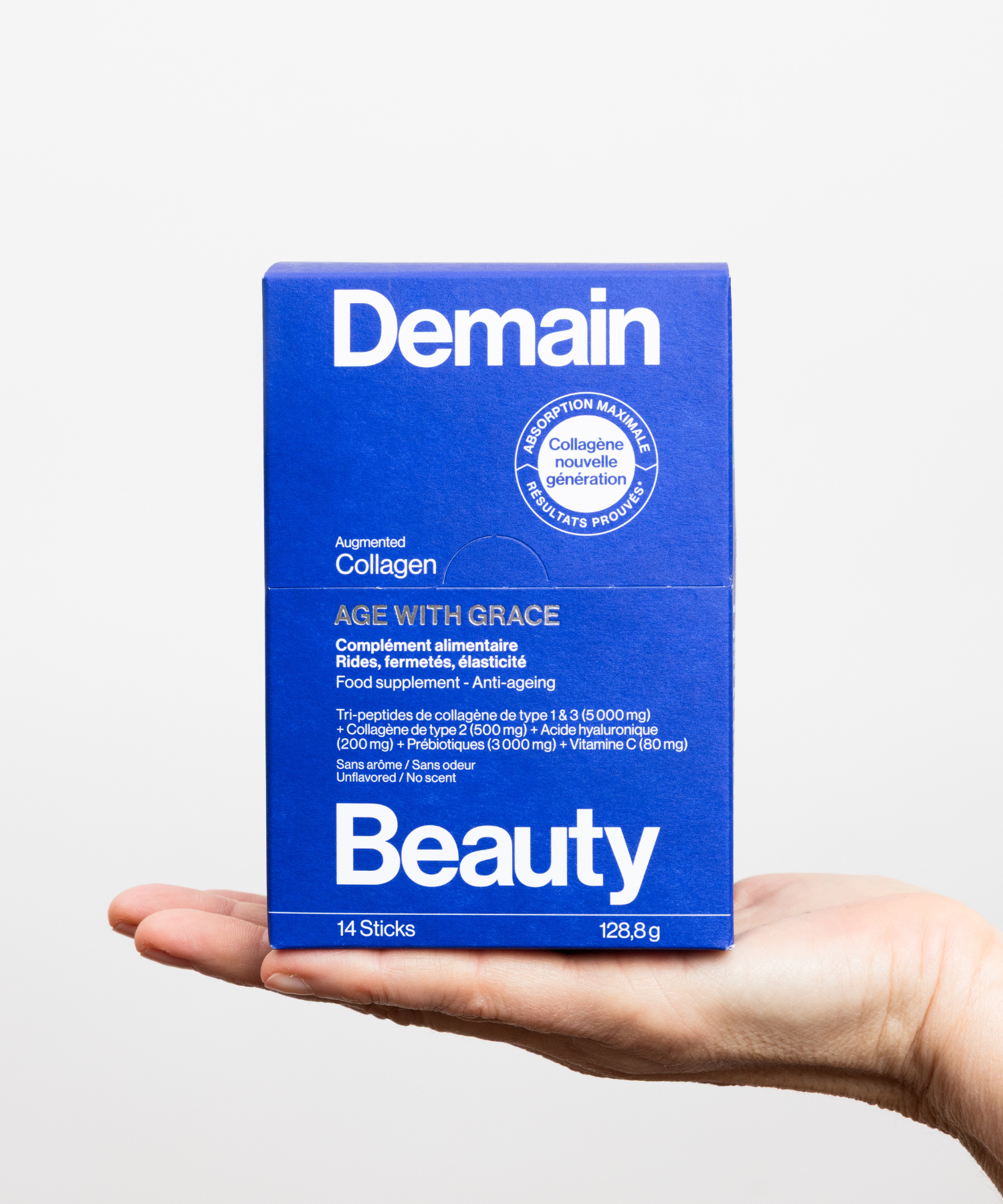
Key takeaways: Chronic stress saturates your body with cortisol, causing silent inflammation that degrades your skin barrier and microbiome. To break this destructive cycle and preserve your youthful capital, rely on a synergy between targeted nutrition and calming rituals by adopting the Inside & Outside Beauty approach.
In France, chronic stress affects a growing portion of the population, saturating the body with alert hormones like cortisol and adrenaline. You likely feel as though your nervous system has lost its off-switch, leaving you in an exhausting state of hyper-vigilance. If you find yourself wondering why you are stressed all the time, know that this constant tension results from a biological overactivation of your HPA axis. Together, we will decode the mechanisms of this silent alarm and provide you with concrete rituals to restore your inner balance.
Table of Contents
- Why am I stressed all the time: understanding the biology of the alert response
- 4 physical signals that reveal stress has become chronic
- How does your microbiome influence your stress resistance?
- The direct impact of mental overload on your skin's radiance
- 3 minimalist rituals to soothe your skin and mind
- Adopting a lifestyle focused on longevity and resilience
- FAQ
Why am I stressed all the time: understanding the biology of the alert response
Constant stress results from an overactivation of the HPA axis, continuously releasing cortisol and adrenaline. This state of alert depletes energy reserves, alters the gut microbiome, and accelerates skin "inflammaging" through the degradation of collagen. This incessant hormonal mobilization eventually saturates your biological systems, turning a survival reaction into deep exhaustion.
The role of cortisol and adrenaline in constant tension
The hypothalamic-pituitary-adrenal axis activates the moment danger is perceived. This natural response immediately mobilizes your physical resources: it is a vital protection mechanism against threats. Continuous cortisol production keeps your body on alert, and this hormone no longer returns to its baseline level, leaving your body mobilized for no real reason.
Your energy reserves eventually run completely dry. Your metabolism burns out from constantly calling upon these emergency mechanisms. You feel drained because your biological battery is under constant demand, which aligns with the WHO definition of stress.
From acute stress to chronic stress: when the alarm refuses to shut off
It is important to distinguish occasional survival from a chronic, pathological state. The former is useful, the latter is destructive: your nervous system loses its ability to return to calm. The exhaustion phase occurs inevitably; brain self-regulation mechanisms become inoperative, and you can no longer compensate for daily, even minor, external aggressions.
Prolonged exposure to glucocorticoids weakens your neural connections, and brain plasticity is altered under this chemical pressure. Here are the key stages identified by the INRS stress reaction mechanisms:
- Alarm phase: immediate reaction and heightened vigilance.
- Resistance phase: adaptation and energy consumption.
- Exhaustion phase: loss of balance and chronic fatigue.
4 physical signals that reveal stress has become chronic
As internal biology goes into overdrive, your body eventually sends visible and tangible signals that you can no longer ignore.
Sleep disturbances and persistent nervous fatigue
You experience exhausting nocturnal hyper-vigilance: you remain on edge in the dark, and falling asleep becomes a battle against your thoughts. Your sleep is no longer restorative; despite intense fatigue, your cycles are broken, and your brain does not descend into the deep phase.
Rest ensures the regulation of the nervous system, and an imbalance prevents cellular recovery. Your body cannot manage to switch into repair mode, which is why it is important to know how to identify the signs of chronic stress and take action.
Muscle tension and functional digestive disorders
Your muscles remain constantly tensed, forming a physical armor that eventually causes chronic pain. Stress also disrupts your intestinal transit: blood is diverted from the viscera to the muscles, making digestion slow and painful.
Physical manifestations of stress include headaches, muscle tension, and persistent gastrointestinal disorders.
Gastric discomfort often betrays your anxiety. Your gut is your second brain: it reacts instantly to your overall emotional state.
How does your microbiome influence your stress resistance?
Beyond muscles and nerves, balance is also determined in the intimacy of your intestines, where your microbiome resides.
The gut-brain axis at the heart of your emotional balance
Your digestive system and brain communicate constantly. The vagus nerve serves as a highway for this vital information, and your emotions circulate in both directions. Intestinal bacteria produce much of your serotonin, the molecule that guarantees your daily serenity.
A bacterial imbalance, or dysbiosis, makes you more vulnerable. According to this Inserm study on cortisol and the gut, stress directly impacts your digestion.
The role of prebiotics and probiotics in nervous resilience
Supplying good bacteria strengthens your intestinal barrier. A solid wall protects your nervous system and effectively limits external inflammatory aggressions. A healthy environment reduces the alert signals sent to the brain: less inflammation means less cortisol produced, and your body naturally calms down from within.
Scientific supplementation is an effective lever to stabilize your biological terrain in the long term. Monitor your anti-stress diet to optimize these results.
The Inside-Out approach to stabilize your serenity
Beauty and calm are born from deep nutritional synergy. By nourishing your microbiome, you act directly on your mind: it is a comprehensive, coherent, and demanding approach, where your inner balance becomes visible on the outside. Treating the interior is the essential foundation of your health; without this internal balance, external skincare remains superficial.
Adopt a holistic vision for your longevity. Your gut protects your brain from daily tensions: this is the key to a balanced life, at the heart of our Inside & Outside Beauty philosophy.
The direct impact of mental overload on your skin's radiance
This internal agitation does not remain confined to your organs; it eventually leaves an imprint on your face, altering your beauty capital.
Silent inflammation and degradation of the protective barrier
Internal oxidative stress attacks your skin cells, and your skin ages faster under this constant pressure. "Inflammaging" sets in insidiously within your tissues. Cortisol alters the production of essential lipids, your skin barrier thins and becomes porous: water evaporates, and irritants penetrate more easily.
Increased sensitivity appears quickly. This dehydration is a blatant sign of overwork, and your skin signals its urgent need for calm and repair, which explains, for example, why skin itches during stressful periods.
Premature aging and loss of firmness under pressure
Glycation of fibers stiffens your dermal structure. Stress actively destroys collagen and elastin, and your features sag, losing their natural bounce. Signs of fatigue become permanent: dark circles and a dull complexion are biological alarms that reflect your deep nervous exhaustion.
Protecting your skin microbiome remains imperative. Maintaining this balance preserves your longevity and serves as the best shield against the deleterious effects of time.
| Skin sign | Biological cause | Inside/Out solution |
|---|---|---|
| Dull complexion | Slowed microcirculation | Antioxidants and massage |
| Stress wrinkles | Glycation of fibers | Anti-sugar active ingredients and nutrition |
| Sensitivity | Cortisol and porous barrier | Prebiotics and probiotics |
| Dark circles | Inflammation and fatigue | Sleep and draining skincare |
3 minimalist rituals to soothe your skin and mind
To reverse the trend, the goal is not to add constraints, but to simplify your habits to reclaim space.
Breathing and cardiac coherence to recalibrate the vagus nerve
Inhale for five seconds, exhale for the same: tension instantly drops throughout your body. This rhythmic method immediately stabilizes your emotions. Conscious oxygenation calms your nervous system, and your heart regains a regular, calm rhythm, allowing you to effectively regulate your physiological response to stress.
Integrate these brief cycles between two important appointments: consistency is the key to their effectiveness.
Simplifying the beauty routine to reduce mental load
Too many products generate decision fatigue. Your bathroom should be a streamlined sanctuary, as cosmetic accumulation unnecessarily saturates your mind and your skin. Choose high-performance products based on science: quality takes precedence over the number of bottles, and a targeted approach guarantees real and measurable effectiveness.
Multifunctional skincare frees your mind. Also, keep a gratitude journal to strengthen your daily serenity.
Anti-inflammatory diet and magnesium for the nervous system
Omega-3s and B vitamins are essential: they protect your nerve sheath from daily aggressions. Rely on raw, colorful foods, as your brain consumes significant energy to function. Stress depletes your reserves quickly, and a deficiency mechanically accentuates your vulnerability to the unexpected.
Support your serotonin production every day by prioritizing these essential nutrients:
- Magnesium
- Omega-3s
- Probiotics
Adopting a lifestyle focused on longevity and resilience
The key lies in a long-term vision, where each daily action becomes an investment in your future balance.
The importance of nervous recovery for sustainable health
Resilience is your ability to bounce back after a crisis. A flexible nervous system guarantees your lasting health. Digital disconnection is imperative: your prefrontal cortex requires silence to function, and putting down your screens allows your saturated attention to rest.
Prioritize gentle physical activities, as movement releases salvific endorphins. Discover how to combine sports and stress management for your well-being.
Preserving your health capital today for tomorrow
Managing your stress is a strategic investment: it is the foundation of your overall longevity. Each moment of calm strengthens your cells deeply, and your skin faithfully reflects your inner balance. Harmony between body and mind manifests visibly: this is the true secret of a lasting, healthy glow.
Always prioritize quality of life over performance. To soothe this constant tension, regulate your HPA axis with magnesium-rich nutrition and breathing rituals. By stabilizing your microbiome and cortisol levels, you preserve your collagen and future vitality. Take action today to transform your inner balance into a lasting outer radiance.
FAQ
Why do I feel like I'm in a state of constant stress?
Biologically, this state of continuous alert is explained by an overactivation of your hypothalamic-pituitary-adrenal (HPA) axis. When you are exposed to stress factors for a prolonged period, your body can no longer regulate the production of cortisol and adrenaline, keeping you in an exhausting resistance phase. This dysfunction of your hormonal self-regulation system prevents your body from returning to calm. Your biological battery remains constantly taxed, which eventually leads to deep nervous fatigue and a loss of neural plasticity.
What are the main physical signs that my stress has become chronic?
Chronic stress often manifests as nocturnal hyper-vigilance and sleep that is no longer restorative, because your brain remains on alert even during rest. You may also feel persistent muscle tension, particularly in the neck and back, forming a painful physical armor. Internally, functional digestive disorders frequently appear. As blood is primarily directed to the muscles for survival, your transit slows down, perfectly illustrating the close link between your gut—your second brain—and your overall emotional state.
How does stress impact the health and radiance of my skin?
There is a direct dialogue, known as the brain-skin axis, that translates your internal tensions onto your face. High cortisol degrades collagen and elastin, causing sagging features and premature aging. Furthermore, it alters the lipids in your skin barrier, making your skin more porous, dehydrated, and vulnerable to irritation. This silent inflammation, or "inflammaging," dulls your complexion and accentuates dark circles. By also disrupting your skin microbiome, stress promotes the appearance of blemishes and increased sensitivity, signaling that your skin ecosystem needs calm and protection.
What is the link between my gut health and my nervous resilience?
Your gut microbiome plays a major role in the production of essential neurotransmitters, such as serotonin, the hormone of serenity. Dysbiosis, or bacterial imbalance, increases intestinal permeability and sends alert signals to your brain via the vagus nerve, which reduces your resilience to external aggressions. Adopting an Inside-Out approach by nourishing your good bacteria with prebiotics and probiotics helps strengthen your intestinal barrier. A healthy digestive environment limits the release of cortisol and naturally soothes your nervous system from within.
What simple actions can I take to soothe my nervous system?
The practice of cardiac coherence is a powerful tool: by inhaling and exhaling over five seconds, you instantly recalibrate your vagus nerve and lower your blood pressure. It is also crucial to simplify your beauty routine to reduce your mental load by favoring high-performance, multi-purpose skincare rather than accumulating products. Support your body with an anti-inflammatory diet rich in magnesium, omega-3s, and B vitamins. These nutrients are essential for protecting your nerve sheaths and replenishing the reserves that stress rapidly depletes, thereby helping you regain lasting balance.