Key takeaways: Rinse-free micellar water saturates your skin with synthetic surfactants that degrade the hydrolipidic film. This daily aggression disrupts your microbiome and causes redness or tightness. To preserve your youthful capital, prioritize double cleansing with suitable cleansers that restore your skin barrier.
Initially designed for backstage at fashion shows, micellar water has established itself in our bathrooms as a quick-fix solution. However, its synthetic surfactants do not distinguish between makeup and your protective hydrolipidic film, leaving your skin vulnerable and stripped. This daily ritual, often perceived as harmless, eventually weakens your skin barrier and causes persistent issues with micellar water. We will break down the risks of this no-rinse cleansing and help you adopt a more respectful ritual to lastingly preserve the radiance of your face.
Table of Contents
Micellar water and skin problems: understanding the risks
Micellar water uses synthetic surfactants which, without rinsing, degrade the hydrolipidic film and disrupt the skin's pH. This stagnation of cleansing agents weakens the protective barrier, promoting visible redness and lasting discomfort. Beyond its apparent practicality, the real challenge lies in the invisible interaction between these molecules and your biological balance.
The action of surfactants on your hydrolipidic film
Micelles are aggregates of surfactant molecules designed to capture fatty substances. Unfortunately, these cleansing agents make no distinction between makeup and the protective lipids of your epidermis: they take everything in their path.
The use of aggressive synthetic molecules thus degrades your hydrolipidic film. This alteration weakens the skin barrier. Your skin then loses its natural ability to maintain optimal hydration on a daily basis, becoming vulnerable to external aggressions.
The consequences of no-rinse cleansing
Leaving these cleansing agents on your face causes latent irritation. Residues persist on the epidermis, and the surfactants continue to act unnecessarily on your healthy cells all night long. It is a silent process of wear and tear on your youthful capital.
Incomplete cleansing leaves traces of pollution and makeup behind. This accumulation disrupts the pH and promotes the appearance of imperfections while dulling your radiance. To preserve your skin health, opt for a gentle cleansing ritual and choose lasting performance.
3 signs of discomfort linked to micelle use
While the practical aspect is appealing, your face's reactions often testify to an invisible but very real aggression.
Sensations of tightness and visible redness
Tightness after using a cotton pad indicates a lack of lipids: your skin becomes reactive and quickly loses its natural suppleness. The friction associated with chemical agents creates immediate discomfort, and this visible redness signals that your epidermis is trying to defend itself against aggression.
Identifying these signs of a weakened barrier is the first step toward adapting your cleansing ritual before the discomfort becomes chronic.
The mechanical aggression of cotton pads on reactive skin
The daily use of a cotton pad creates uncontrolled exfoliation of the stratum corneum, unnecessarily thinning your skin. It then becomes more sensitive to external aggressions such as pollution or cold.
Applying the product directly with your fingers, without a cotton pad, is a gentler method that preserves the integrity of your skin tissue and significantly limits repeated friction.
Disruption of the skin microbiome balance
The preservatives found in micellar waters eliminate good bacteria. An unbalanced microbiome can no longer fulfill its role as a protective shield, which limits your skin's natural ability to contain the appearance of diffuse redness and imperfections.
Beautiful skin is, above all, skin whose microbiome is respected and preserved on a daily basis.
Taking care of your skin's bacterial flora is therefore an investment in the longevity of your radiance.
Why prioritize double cleansing on a daily basis?
To break this cycle of irritation, adopting a more respectful ritual becomes a priority for your skin health.
The benefits of oils and milks for gentle makeup removal
Oil dissolves waterproof makeup and excess sebum effortlessly. It is the most effective method for cleansing while respecting your protective film, as fatty substances act through lipid affinity. Massaging with a balm or milk provides immediate comfort and turns cleansing into a truly relaxing skincare moment.
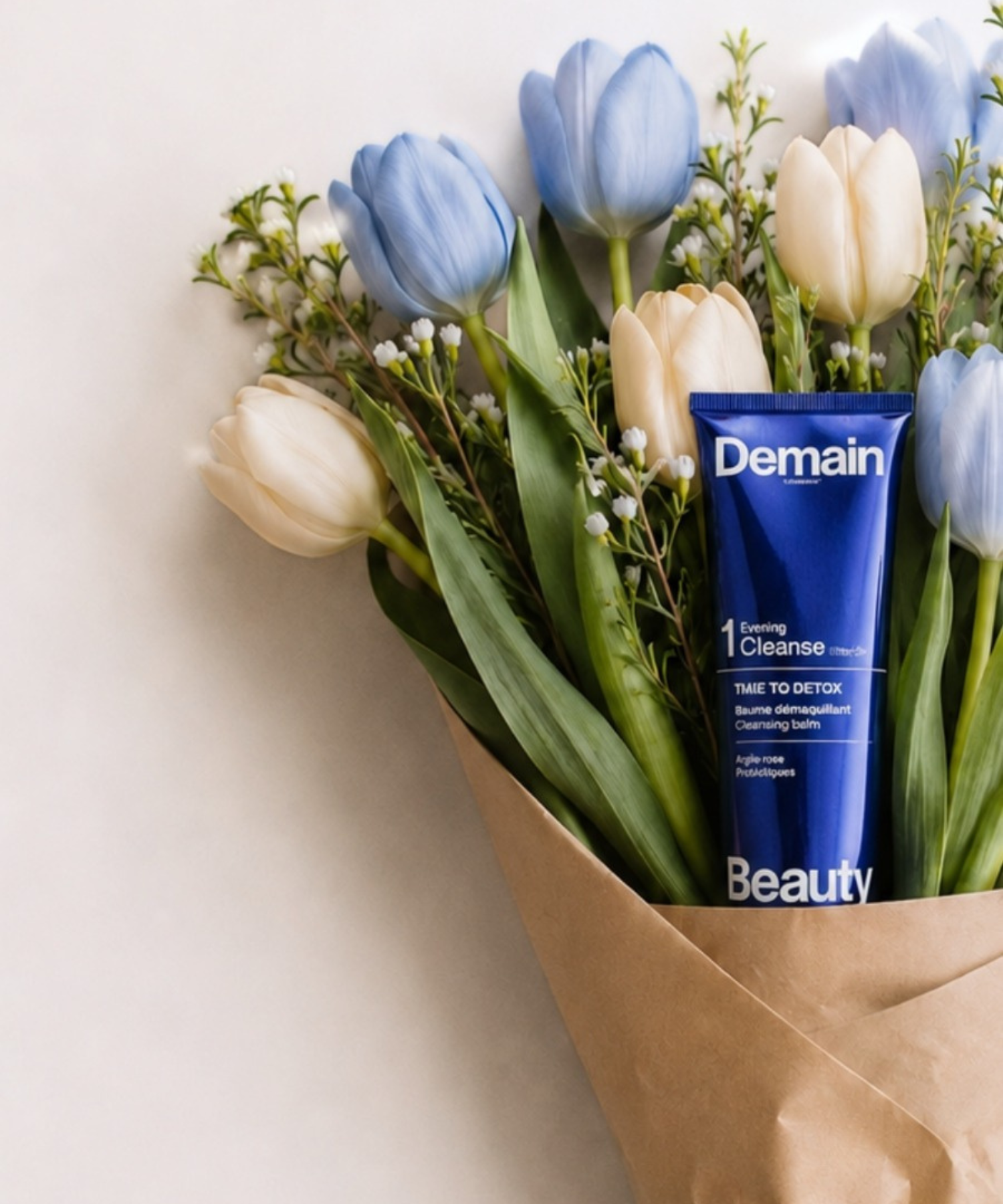
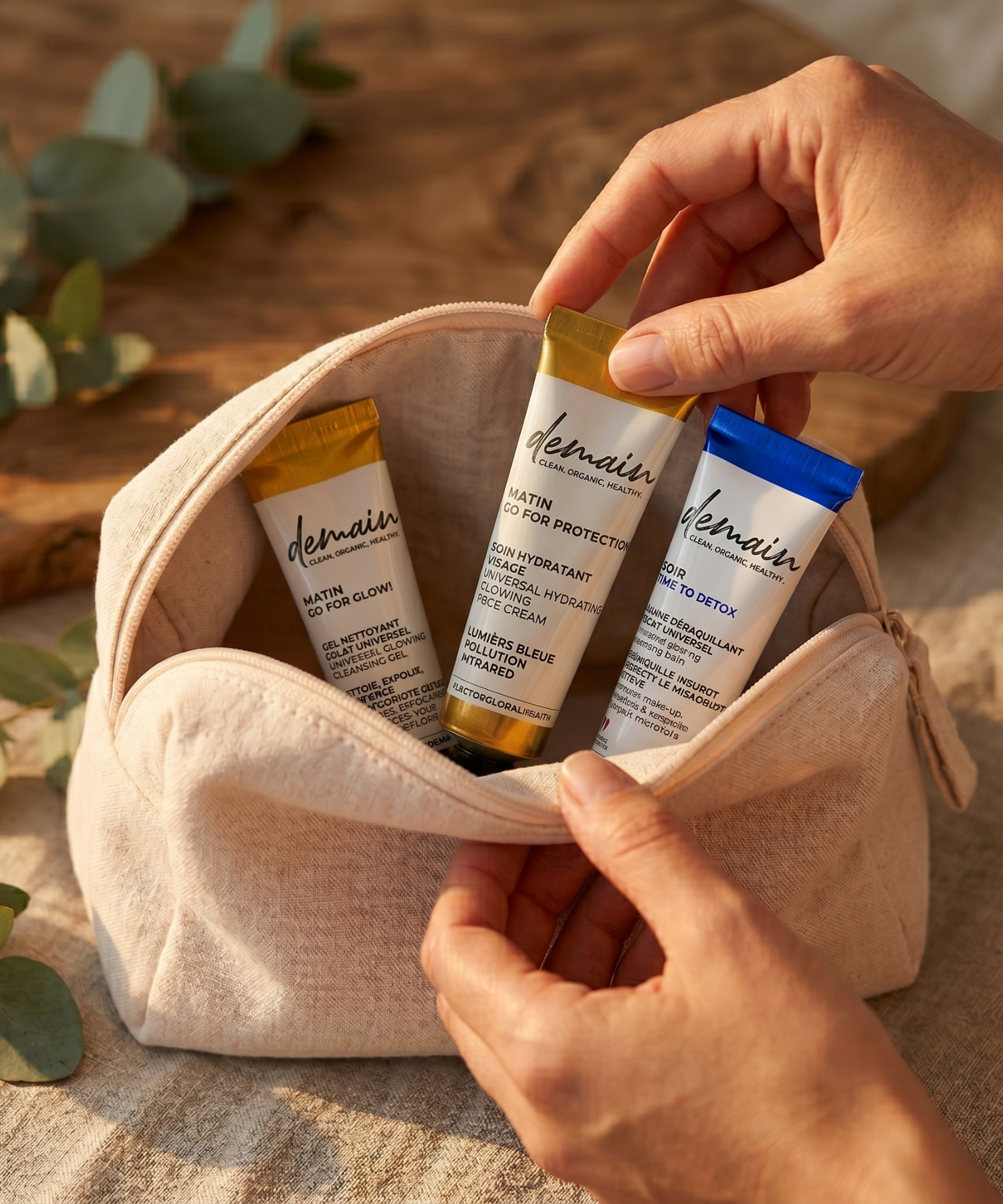
Choose 100% natural formulas to preserve your skin. Discover our organic makeup-removing balm for a healthy ritual: the quality of the active ingredients guarantees lasting effectiveness.
Removing impurities without altering the skin barrier
After the oil, a gentle cleansing gel removes the final residues of pollution. This step perfects the cleansing process without ever irritating your epidermis, avoiding any sensation of discomfort after rinsing.
Use products formulated to respect the balance of the microbiome. Clean skin should remain supple, soft, and perfectly hydrated after its end-of-day ritual.
| Criteria | Micellar water | Double cleansing (Oil + Gel) |
|---|---|---|
| Respect for the hydrolipidic film | Low | Excellent |
| Removal of stubborn makeup | Average | Optimal |
| Impact on the microbiome | Disruptive | Respectful |
| Rinsing necessary | Mandatory | Systematic |
Strategies for lasting skin health
Beyond the simple technical action, the beauty of your face is part of a global vision of your lifestyle.
The Inside/Out approach to support skin radiance
Combining nutrition, quality sleep, and topical care is essential. Your skin directly reflects your internal state of health and your current stress level. A diet rich in antioxidants supports the quality of your skin tissue, while regular physical activity promotes better oxygenation of your facial cells.
Here are the fundamental pillars of skin longevity:
- A varied diet.
- Restorative sleep.
- Effective stress management.
Choosing organic and microbiome-friendly skincare
Opt for products certified organic by Cosmos Organic and made in France. This standard guarantees optimal safety and allows you to respect the fragile balance of your skin flora. A short but effective ritual is better than an accumulation of products: prevention remains your best asset for preserving the visible firmness of your skin.
Discover the principles of French clean beauty to refine your routine. Choosing respectful skincare means choosing longevity.
Adopting the right habits today determines the vitality of your face tomorrow. Unrinsed surfactants degrade your hydrolipidic film, the repeated friction of cotton pads weakens your skin barrier, and an unbalanced microbiome exposes your epidermis to imperfections. To avoid any issues linked to micellar water, switch to double cleansing with oil or a protective organic balm. By choosing certified, skin-flora-respecting skincare, you will quickly regain a radiant complexion, lasting suppleness, and reinforced natural protection against time.
FAQ
Why can micellar water cause skin problems?
The use of micellar water relies on synthetic surfactants that do not distinguish between impurities and the protective lipids of your epidermis. By stripping the hydrolipidic film, these molecules leave your skin exposed, making it vulnerable to inflammation, redness, and premature dehydration. Furthermore, many conventional formulas incorporate irritating ingredients such as alcohol, sulfates, or synthetic preservatives. These components alter the skin barrier and disrupt the physiological pH, promoting the appearance of imperfections and sensations of lasting discomfort.
Is it really dangerous not to rinse off micellar water?
Absolutely. The "rinse-free" marketing argument is a trap for the health of your face. When micelles remain on your epidermis, the cleansing agents continue to act unnecessarily all night, which destabilizes your skin microbiome and clogs your pores with captured pollution residues. This accumulation of chemical molecules can trigger a rebound effect, especially in oily skin that starts overproducing sebum to defend itself. To preserve the radiance and suppleness of your complexion, rinsing with lukewarm water or a floral water is an essential step.
How can I tell if my skin can no longer tolerate micelles?
Your face sends you clear signals: if you feel tightness, tingling, or heating immediately after using a cotton pad, your protective barrier is already weakened. The appearance of diffuse redness or dry patches indicates that the product is too aggressive for your skin type. The aggression is also mechanical: the repeated friction of the cotton pad exfoliates the stratum corneum in an uncontrolled manner, unnecessarily thinning your skin. If these signs of discomfort persist, it is time to abandon this practice for a method that is more respectful of your skin ecosystem.
What alternative should I prioritize for respectful and effective cleansing?
For optimal skin longevity, we recommend adopting double cleansing. Start with an organic makeup-removing oil or balm that dissolves fatty substances (makeup, sebum) without unnecessary friction, then complete the process with a gentle cleansing gel to remove the final residues of pollution. This Inside/Out approach protects your hydrolipidic film while respecting the fragile balance of your bacterial flora. By choosing certified organic and microbiome-friendly skincare, you offer your skin the purity it deserves without ever compromising its natural health.