Key takeaways: Stress becomes pathological after four weeks of persistence, triggering hypercortisolemia that degrades collagen and imbalances the gut microbiota. These disturbances cause inflamm-aging and digestive issues, with visible consequences on the skin and overall energy levels. Identifying these hormonal signals allows you to stop systemic and cutaneous exhaustion before it becomes long-lasting. Discover our tips to fight stress naturally and preserve your balance.
Stress becomes pathological after four weeks of persistence, activating hypercortisolemia that degrades collagen and imbalances the microbiota. You may be experiencing muscle tension or irritability without identifying the underlying hormonal cause. This article defines the physiological and behavioral indicators to tell if you are stressed and proposes holistic regulation solutions.
Contents
Physiological mechanisms: how to tell if you are stressed
Stress becomes pathological after four weeks of persistence, activating hypercortisolemia that degrades collagen and imbalances the microbiota. Identifying these hormonal signals helps stop skin inflammation and systemic exhaustion. The distinction between an immediate survival reaction and the shift toward a deleterious chronic state is central here.
Distinguishing between acute stress and chronic stress
Stress is a natural biological survival response. This defense mechanism prepares your body for immediate action. You can consult the WHO definition of stress to delve deeper into this concept.
The tipping point occurs after four weeks of continuous tension. Your body can no longer recover, and exhaustion then sets in permanently in your daily life. This persistence turns your biological ally into a danger: your overall health and skin capital suffer deep structural damage.
Role of cortisol and adrenaline in the body
The sympathetic nervous system activates your adrenal glands. Adrenaline first increases your available energy, then cortisol keeps your body in a state of maximum alert. Prolonged hypercortisolemia disrupts your metabolism and sleep. It is useful to understand what cortisol is and how to manage it to protect your balance.
Your non-immediate vital functions then slow down. Digestion and cellular regeneration become secondary, while your body prioritizes biological survival over aesthetic radiance.
Identifying physical and behavioral signs
Beyond internal chemistry, stress is visibly inscribed on the body and modifies our daily reflexes in sometimes subtle ways.
Somatic manifestations and digestive issues
Stress generates frequent muscle tension and stomach aches. These pains are alarm signals from the nervous system. You can consult the effects of stress on health detailed by the INRS to explore this subject further.
Also observe your skin and eye signals: eczema or twitching eyelids occur regularly under tension. A weakened barrier requires knowing how to repair damaged skin to restore its balance. Indicators to watch for include:
- Heart palpitations
- Digestive issues
- Neck tension
- Unusual sweating
Cognitive indicators and mood changes
Memory loss and decreased concentration signal cognitive saturation. Under pressure, your brain struggles to process data, and operational errors become more frequent.
Irritability and a feeling of oppression reflect emotional instability. Your reactions often become disproportionate to events, which sometimes leads to marked withdrawal. Stress also modifies your eating behaviors: turning to sugar or compulsive snacking acts as an emotional regulator and directly impacts your energy level and overall metabolism.
Alterations to the gut microbiome and skin health
These behavioral imbalances are accompanied by a profound break in the biological harmony between your gut and your face.
Gut-brain axis and microbiota balance
Stress reduces the diversity of your gut flora. An impoverished microbiota weakens your natural defenses, and the link between psyche and bacteria is now well documented. Learn how to improve your gut microbiota for radiant skin.
The microbiota is the true foundation of overall health, acting as a shield against external aggressions and repeated internal tension.
This internal imbalance is reflected in your features. The skin then loses its usual clarity.
Skin inflammation and premature aging
Inflamm-aging refers to aging accelerated by chronic inflammation. Stress oxidizes cells prematurely, causing wrinkles and a loss of firmness.
Excess cortisol breaks down supporting fibers and accelerates the degradation of collagen. The skin becomes thin and less plump.
| Skin sign | Stress-related cause | Impact on longevity |
|---|---|---|
| Dull complexion | Gut dysbiosis | Reduced lasting radiance |
| Premature wrinkles | Cellular oxidation | Accelerated aging |
| Increased sensitivity | Weakened barrier | Chronic reactivity |
| Loss of elasticity | Drop in collagen | Tissue sagging |
Holistic regulation strategies and simplification
To counter these deleterious effects, a global approach combining targeted nutrition and mental minimalism is essential.
Nutrition and supportive dietary supplements
Consume regulating nutrients like magnesium. Probiotics are also essential for the gut and support your internal balance in the face of tension.
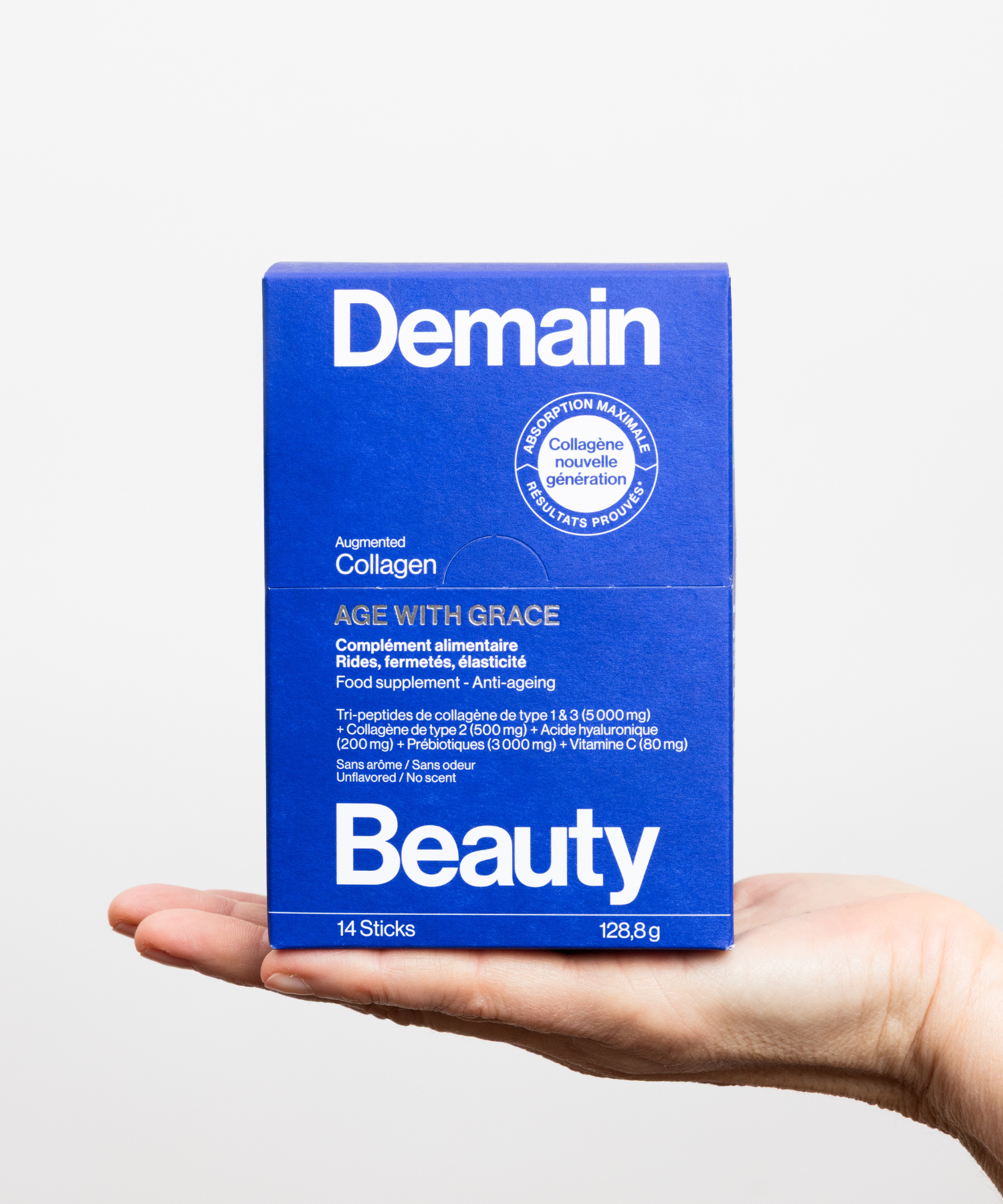
Prioritize Demain Beauty's Inside/Out approach: treating the root cause strengthens your skin resilience and forms a pillar for lasting beauty. Check out this guide on the link between stress and diet to see which foods to prioritize. Skin health starts on your plate: nutrient-rich food helps better regulate your cortisol levels.
Simplifying your routine and reducing mental load
Adopt minimalism in your bathroom. Too many products aggravate your skin barrier, and a short routine effectively reduces your mental fatigue.
Practice simple breathing techniques: a few minutes of calm stabilize your emotions and help lower your blood pressure. Discover methods to fight stress naturally.
Redefine your daily priorities. Taking care of yourself is not a luxury: it is an absolute necessity for your skin longevity.
Knowing if you are stressed involves attentive observation of often underestimated physiological, cognitive, and cutaneous signals. By acting on the gut-skin axis, simplifying your routine, and adopting appropriate nutrition, you can interrupt the vicious cycle of chronic stress before it leaves lasting traces. Your inner balance is always reflected on your skin.
FAQ
How can I identify the physical symptoms of a stressed state?
Identification relies on observing specific somatic manifestations. Signals include heart palpitations, neck muscle tension, persistent fatigue, and cephalic issues such as migraines or tension headaches. Skin reactions like eczema or hives also constitute physiological indicators of internal tension. The digestive system signals a stress state through gastroesophageal reflux, bloating, or digestive issues. Specific eye signs, notably eyelid twitching or blurred vision, confirm the body's saturation in the face of environmental aggressions.
What are the psychological and behavioral signs of nervous tension?
The psychological profile is characterized by increased irritability, difficulty concentrating, and frequent lapses in memory. The subject may feel overwhelmed, constantly worried, and have mood instability. These cognitive alterations hinder decision-making and degrade self-confidence. On a behavioral level, changes in sleep cycles and eating habits are observed. Increased use of substances like tobacco or alcohol, as well as marked social withdrawal, are coping mechanisms symptomatic of underlying nervous exhaustion.
At what point does stress become dangerous to health?
Stress shifts from a beneficial acute state to a pathological chronic state when symptoms persist beyond four weeks. This chronicity maintains hypercortisolemia that is harmful to the body, increasing the risks of cardiovascular disease, high blood pressure, and weakened immune defenses. Medical consultation is mandatory if the manifestations significantly alter daily life or if signs of burnout appear. Specialized follow-up allows for the diagnosis of any hormonal dysregulation or deep anxiety disorder requiring therapeutic intervention.
How does stress impact skin appearance and aging?
Excess cortisol causes the degradation of collagen fibers, leading to a loss of firmness and the appearance of premature wrinkles. This phenomenon of skin inflammation, or inflamm-aging, manifests as a dull complexion, increased sensitivity, and sometimes outbreaks of acne or rosacea linked to the disruption of the skin barrier. The imbalance of the gut microbiota, induced by the gut-brain axis, accentuates these aesthetic disorders. The skin becomes reactive and fragile, losing its cellular regeneration capacity in favor of priority metabolic survival mechanisms.