Key takeaways: Oily skin results from an overproduction of sebum, often exacerbated by stress and an imbalanced microbiome. To stabilize your epidermis long-term without a rebound effect, opt for a minimalist routine rich in postbiotics and zinc. This global approach visibly reduces imperfections while respecting the precious balance of your skin flora.
Did you know that polycystic ovary syndrome affects between 10% and 13% of women, often causing persistent seborrhea and shine that is difficult to control? Given this fact, you have likely already experienced the frustration of seeing your makeup fade or your pores enlarge despite repeated—and sometimes too harsh—cleansing. We will guide you in understanding how to stop having oily skin by adopting a biotechnological and holistic approach that respects the balance of your skin microbiome. Here are concrete solutions for stabilizing your epidermis long-term.
Table of contents
How to stop having oily skin: understanding the causes
Oily skin results from an overproduction of sebum by the sebaceous glands, often accentuated by stress, hormones, and an imbalanced microbiome. A minimalist routine, rich in postbiotics and zinc, helps stabilize the epidermis without causing a rebound effect. This biological regulation requires a global approach, combining gentle topical care with internal balance. Mastering your skin ecosystem begins with a precise analysis of the role of your sebaceous glands.
The fragile balance of the microbiome and sebaceous glands
Your sebaceous glands, stimulated by androgens, produce sebum. This condition, characterized by excessive sebum secretion or seborrhea, defines the shiny appearance of your T-zone. Bacterial diversity is your best ally: a balanced microbiome limits the proliferation of pathogens responsible for imperfections and serves as the essential foundation for your lasting skin health.
Sebum is not your enemy, but a zealous protector. It preserves your hydration against external aggressions. You must therefore learn to regulate it rather than seek to eliminate it completely.
The influence of stress and hormones on shine
Cortisol, the stress hormone, directly stimulates your sebaceous glands and visibly worsens the shine on your face daily. Understanding the mechanisms of cortisol and how to manage it then becomes a priority. Heat and humidity thin the sebum on the surface, increasing its excretion during seasonal changes.
Certain conditions like polycystic ovary syndrome affect 10% to 13% of women. This hormonal imbalance often induces persistent acne and increased lipid production. Furthermore, pollution oxidizes sebum on the surface of pores: fine particles clog the epidermis, dull the complexion, and cause silent inflammation.
Adopting a balancing cleansing and moisturizing routine
To stabilize these biological mechanisms, your daily ritual must imperatively prioritize gentleness to avoid defensive reactions from the epidermis.
Minimalist cleansing to stop the rebound effect
The rebound effect is a formidable trap. Overly aggressive stripping severely disrupts the hydrolipidic balance and pushes the skin to produce even more oil as a defense mechanism. Opt for soap-free and sulfate-free solutions: these formulas respect your microbiome while effectively purifying, leaving the skin supple, soothed, and lastingly healthy.
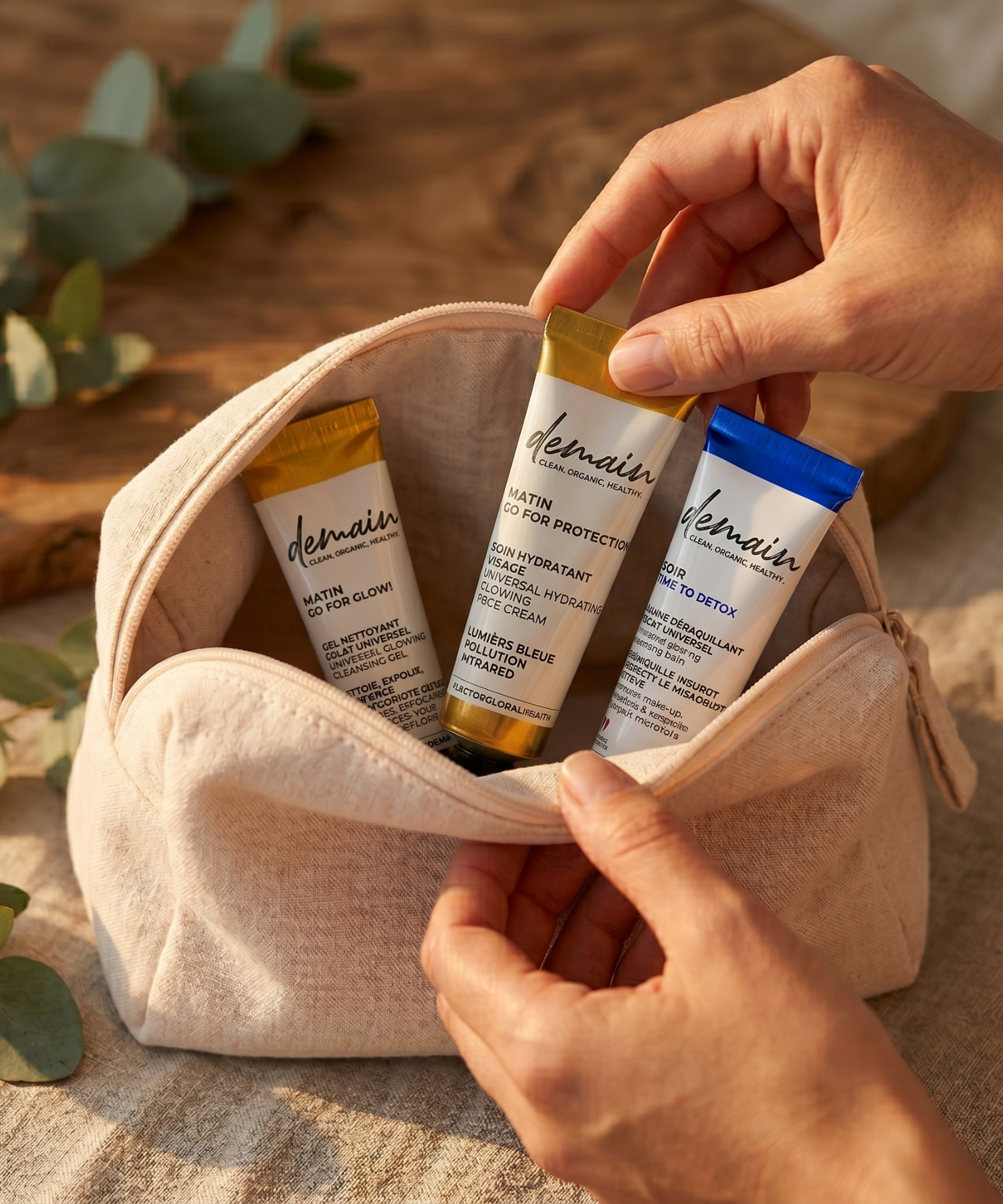
A single meticulous cleansing in the evening is generally enough. There is no need to multiply irritating steps. For further insight, you can incorporate cleansers adapted for glowing skin into your routine.
Why hydration remains essential for shiny skin
Do not confuse nutrition with hydration. Oily skin can be thirsty and lack water, even though water intake is vital for its metabolism and clarity. We recommend gel textures or aqueous serums: these products provide immediate freshness without clogging pores. Hydration also helps thin the sebum and naturally limits the formation of comedones. Consult our tips on skincare for dehydrated oily skin to learn more.
Hydration is essential for oily skin because it helps regulate sebum production and protects the skin against dehydration.
Light and non-comedogenic textures allow your skin to breathe while maintaining an optimal level of hydration daily.
Biotechnological active ingredients to stabilize your microbiome
Beyond hygiene, incorporating targeted active ingredients derived from biotechnology allows you to lastingly reprogram the balance of your skin flora.
The power of postbiotics to stabilize the epidermis
Postbiotics are beneficial ferments derived from biotechnology. They effectively strengthen the face's protective barrier, making the skin much less reactive to external aggressions. These active ingredients maintain a healthy environment for good bacteria and prevent the imbalances that lead to excess oil: the microbiome regains its stability.
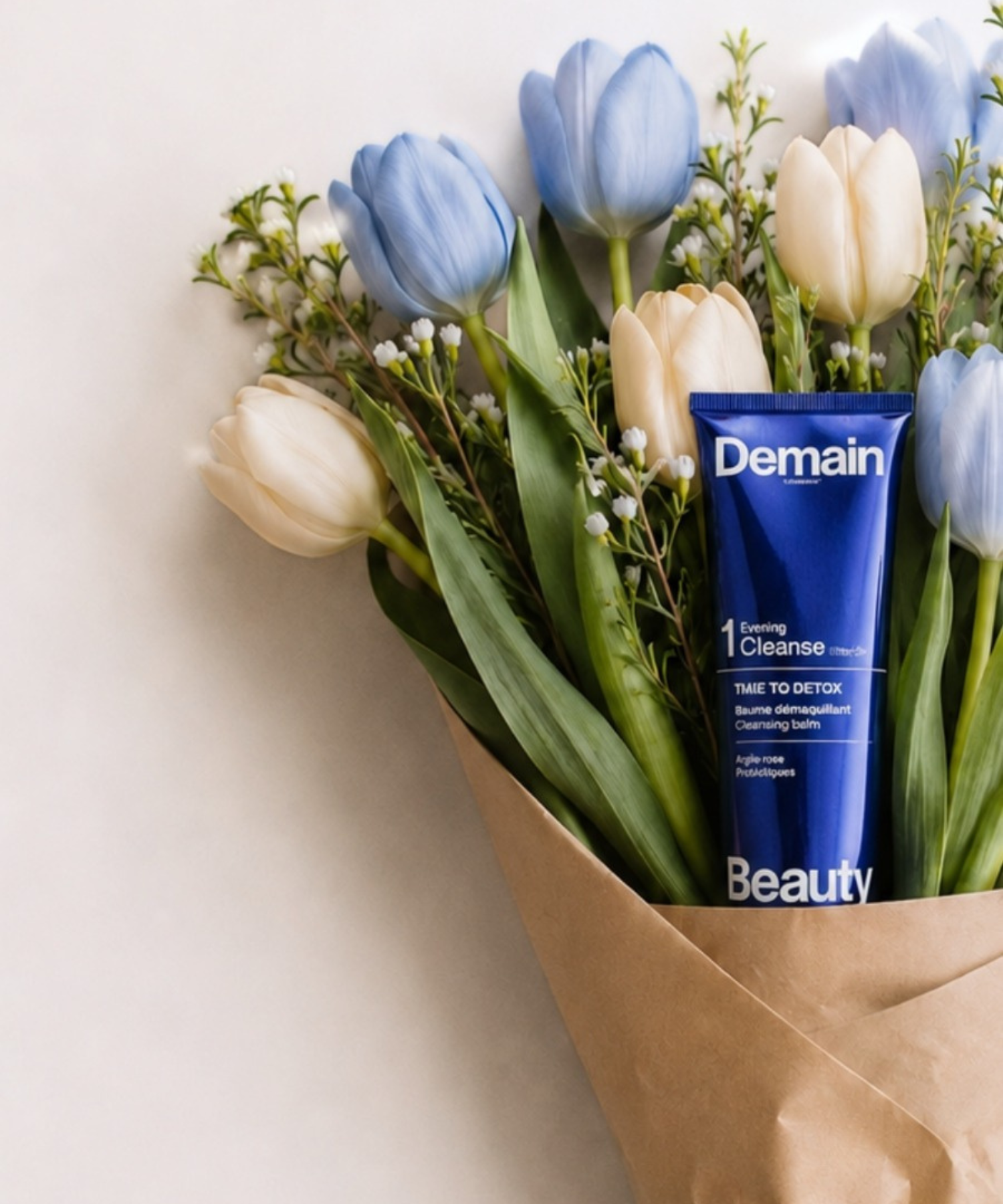
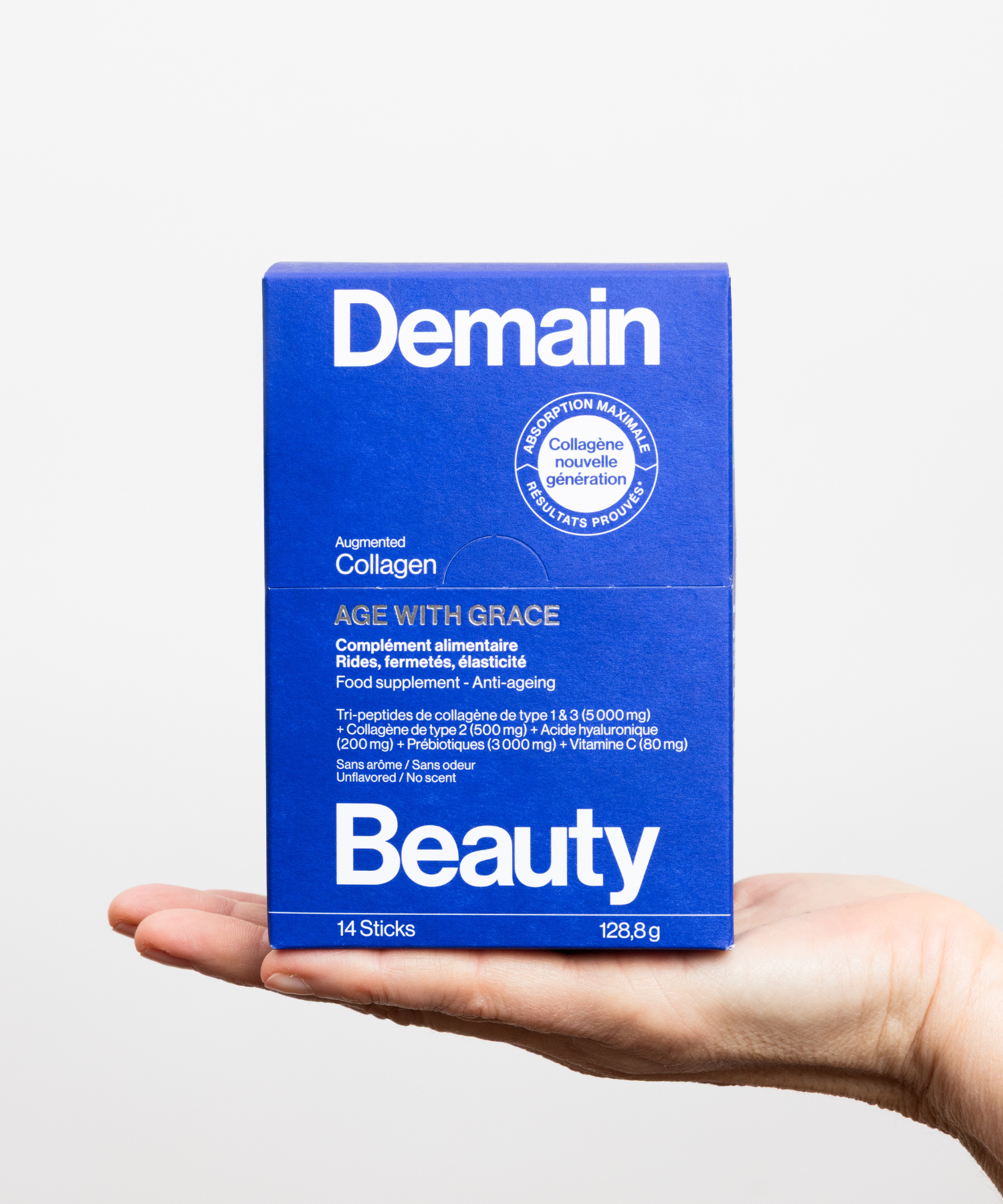
Demain Beauty favors this scientific approach. Our formulas integrate these ferments for deep efficacy on your skin health, with immediate soothing action, reinforcement of natural defenses, and optimization of cell regeneration. The complexion regains its natural clarity without superfluous artifice.
Zinc and natural acids to refine skin texture
Zinc is the ultimate mattifying ally: it regulates lipid production without ever drying out the epidermis, and its purifying properties are widely recognized by science. Fruit acids (AHAs) provide gentle and effective exfoliation, naturally unclogging pores to let the skin breathe.
These active ingredients contrast with classic grain scrubs, whose abrasive beads often create unnecessary micro-lesions. Natural acids are much more respectful of your skin's integrity and visibly refine skin texture day after day. Discover our tips for obtaining lastingly smooth skin.
The Inside-Out approach to preserve your youthful capital
To obtain lasting results, it is necessary to look beyond the surface and adopt a holistic view of your skin health.
The Inside-Out synergy between nutrition and topical care
Your gut and your skin communicate constantly. A balanced diet directly regulates the quality of your sebum, and omega-3s as well as antioxidants become your best daily allies. Dietary supplements act deep down while creams treat the visible surface: this dual action ensures optimal efficacy over time. Hydrate your body rigorously, as drinking enough water facilitates the natural drainage of skin toxins. Limit refined sugars, which generate insulin spikes that needlessly stimulate your sebaceous glands.
| Pillar | Inside Action | Out Action | Benefit |
|---|---|---|---|
| Hydration | Drink 2L | Aqueous serum | Plump skin |
| Purification | Oral zinc | Gentle cleanser | Clear pores |
| Protection | Antioxidants | Fluid SPF | Longevity |
Preventing aging by avoiding abrasive routines
Adopt a short and precise routine. Multiplying products increases the risk of chronic inflammation and prevents your skin from breathing serenely. The microbiome is the guarantor of your skin longevity: a strong barrier blocks premature aging, making it a strategic investment for your future.
Know that oily skin often ages better: natural sebum maintains the essential elasticity of tissues. Channel it intelligently without seeking immediate correction, and aim for lasting balance. Prioritize high-quality ingredients to know how to stop having oily skin without attacking it. Consult our complete guide on the microbiome for more information.
Preserving the quality and longevity of the skin rather than over-correcting is the secret to a radiant complexion at any age.
To stabilize your epidermis long-term, prioritize a minimalist routine combining gentle cleansing, biotechnological active ingredients like postbiotics, and nutritional synergy. This global approach regulates the microbiome so that you finally know how to stop having oily skin and regain a matte, healthy complexion glowing with vitality.
FAQ
Why does my skin produce excess sebum daily?
The shiny appearance of your face results from an overproduction of sebum by the sebaceous glands, a phenomenon often dictated by genetic predispositions or hormonal variations. Environmental factors like pollution, humid heat, or the use of overly stripping skincare products also disrupt this fragile balance, pushing your epidermis to secrete more lipids to protect itself. Stress also plays a major role: by activating cortisol production, it directly stimulates the sebaceous glands, which worsens shine and the appearance of imperfections. Understanding these mechanisms is the first step to regaining control over the health of your skin microbiome.
How do stress and hormones influence facial shine?
Stress activates a biological axis that increases cortisol levels, a hormone capable of disrupting the hormonal cycle and stimulating androgen secretion. In women, particularly within the context of Polycystic Ovary Syndrome (PCOS), this hormonal surplus makes sebum thicker and stickier, thereby promoting pore obstruction and skin inflammation. This metabolic overload, accentuated by insulin resistance, creates a fertile ground for persistent acne. It is therefore essential to adopt a holistic approach, combining stress management and targeted nutrition, to soothe these internal manifestations that reflect on your skin.
What cleansing routine should I adopt to stop having oily skin?
To break the vicious cycle of the rebound effect, you must prioritize very gentle cleansing, morning and evening. Use soap-free and sulfate-free formulas that respect your skin's pH and hydrolipidic film; aggressive stripping would only signal to your epidermis that it must produce even more oil to compensate. In the evening, we advise you to practice double cleansing to perfectly remove pollution residue and sunscreen filters. Finish with an alcohol-free toner to tighten pores and prepare your face to receive light, non-comedogenic moisturizing care.
Why is it essential to moisturize skin that is already shiny?
It is crucial to distinguish nutrition (lipid supply) from hydration (water supply). Oily skin can be deeply dehydrated, which alters its barrier function and excites the sebaceous glands. Providing water via gel textures or aqueous serums helps thin the sebum and maintain tissue suppleness without clogging pores. By maintaining an optimal hydration level, you protect your microbiome and prevent the formation of comedones. It is the secret to a balanced complexion: well-hydrated skin is skin that no longer needs to overproduce sebum to defend itself.
What are the benefits of postbiotics for regulating oily skin?
Postbiotics are innovative biotechnological active ingredients that act as true regulators of the skin ecosystem. By strengthening the protective barrier and maintaining an acidic pH, they limit the proliferation of bacteria responsible for imperfections while offering immediate anti-inflammatory and soothing action. These beneficial ferments help mattify the complexion long-term by stabilizing lipid production without ever drying out the epidermis. Integrating postbiotics into your routine means choosing precision science to regain healthy, smooth, and resilient skin in the face of external aggressions.
How can an "Inside-Out" approach transform skin quality?
Your skin health is the mirror of your internal balance. A holistic approach combines protective topical care with nutrition rich in antioxidants and omega-3s, while limiting refined sugars that stimulate insulin and androgen hormones. This synergy makes it possible to treat the root causes of seborrhea. Additionally, the use of targeted dietary supplements, such as zinc or burdock, helps purify the body and regulate sebum production from within. This global vision is the key to preserving your youthful capital and obtaining visible, long-lasting results on the clarity of your complexion.